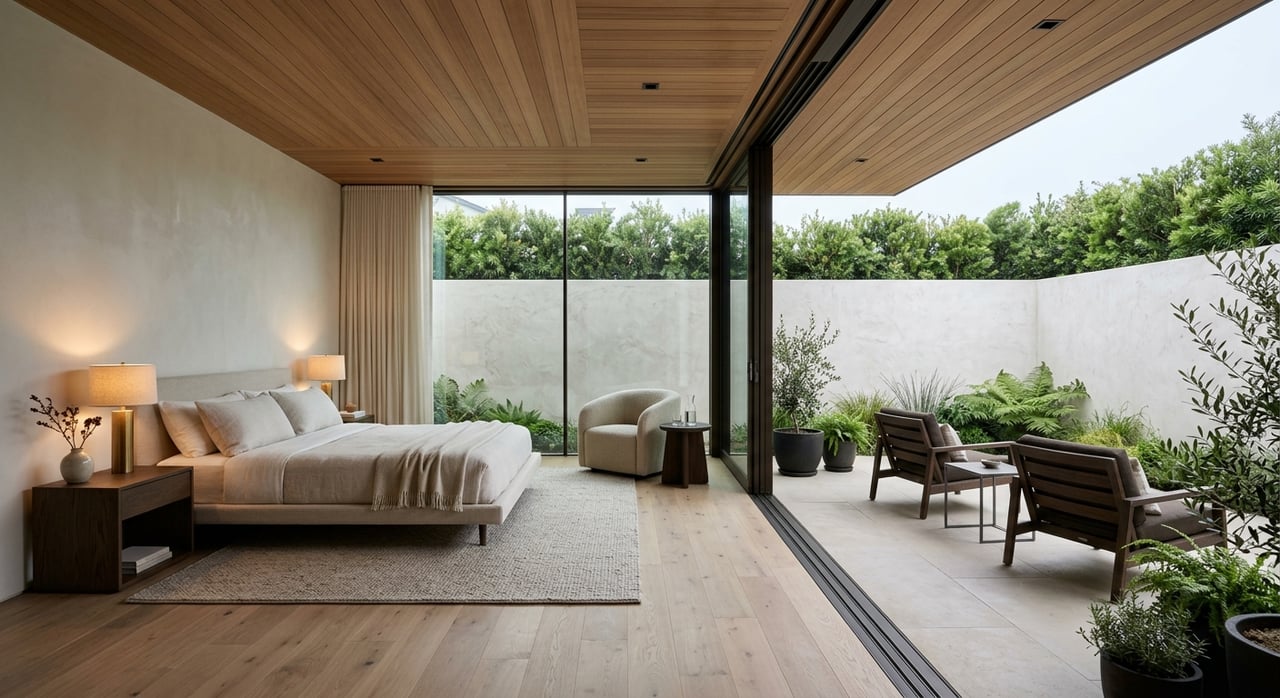
If privacy sits at the top of your luxury home search, Malibu and Beverly Hills can both make a compelling case. The difference is that they create privacy in very different ways, and that matters more than many buyers expect. If you are deciding between the coast and the city, this guide will help you understand how privacy actually works in each market so you can search with more precision. Let’s dive in.
Privacy Means Different Things Here
In Malibu, privacy often comes from the land itself. The city’s planning documents describe a 21-mile coastal strip shaped by topography, infrastructure limits, environmental constraints, and policies that preserve rural character. That often translates into more distance, more elevation change, and more natural screening.
In Beverly Hills, privacy is usually more location-specific. The city covers about 5.7 square miles in a high-density travel corridor, so a home’s privacy profile often depends on the exact block, district, street exposure, and parcel layout. In other words, the city name alone tells you less than the property’s precise setting.
How Malibu Creates Privacy
Malibu tends to feel private because its development pattern is spread along a narrow coastline, with limited inland development and scattered homes in canyons and on ridges. According to the city’s land-use plan, west of Malibu Canyon Road the pattern becomes more rural, with one-acre lots or larger along parts of the coastal strip and another commercial center in the Point Dume and Trancas area. That framework can give you a stronger sense of separation from surrounding activity.
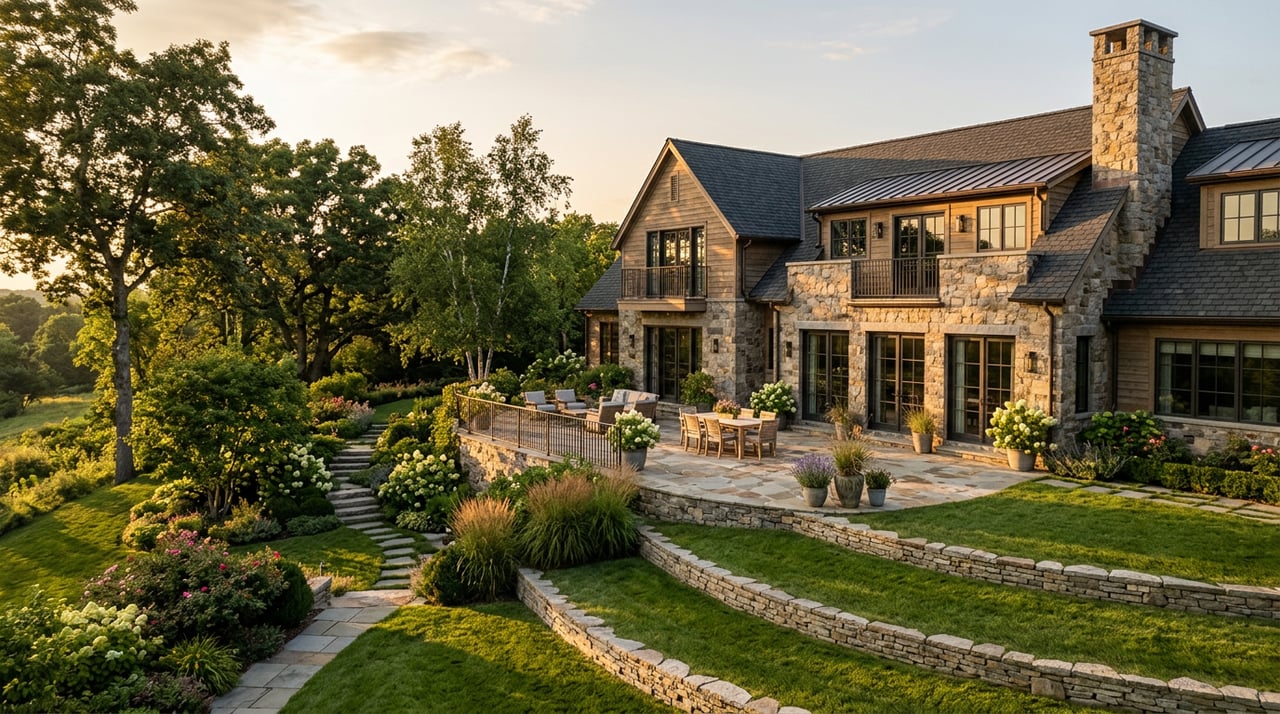
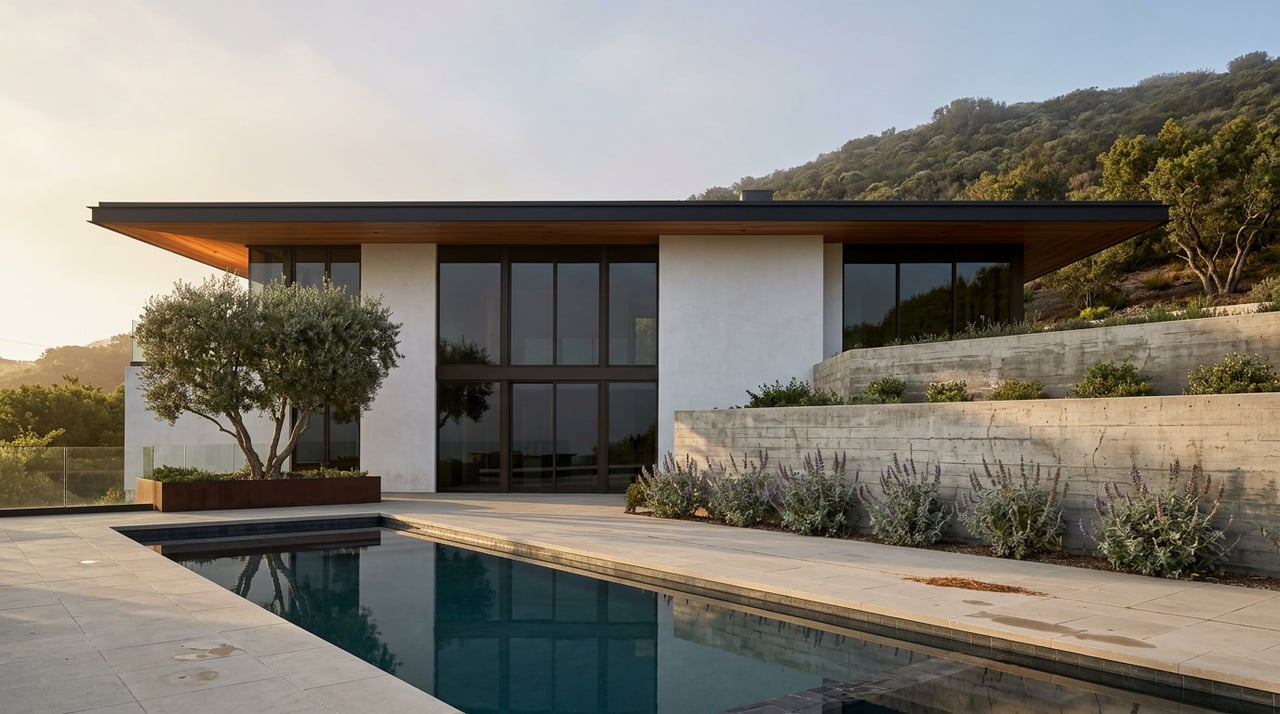
For many buyers, Malibu privacy is less about walls and more about setback, topography, and landscape. A home above the roadway, tucked into a canyon, or positioned on a ridge can feel removed from day-to-day visibility. That is a different experience from urban privacy, where screening features often do more of the work.
Malibu’s mission and planning goals also support this character. The city states that it aims to preserve natural resources and rural character, and it connects visitor-serving activity with the need to protect property-owner privacy. That does not guarantee seclusion at every address, but it does show that privacy is part of the city’s broader planning framework.
Malibu’s Main Tradeoff: PCH Exposure
Malibu’s strongest privacy advantage can weaken quickly if a property sits on or near Pacific Coast Highway. The city describes PCH as Malibu’s main street and notes that hundreds of homes sit within feet of the highway. That means a house can have an impressive lot, beautiful views, and still feel more exposed than expected because of traffic, noise, or nearby access points.
City traffic data reinforces that point. Malibu reports especially heavy volumes in east Malibu, including 46,390 near Cross Creek Road and 31,300 near Kanan Dume Road. For a privacy-focused buyer, that makes road position one of the most important filters in the search.
Where Malibu Often Feels Most Private
In practical terms, Malibu often performs best for buyers who want a retreat-oriented setting. Homes that benefit from elevation, distance from PCH, or natural screening usually align best with a privacy-first brief. If your ideal property feels quiet, set back, and more connected to landscape than city energy, Malibu often has the edge.
That said, not every Malibu address will deliver that experience equally. A home near a beach access point or directly along a busy stretch of the highway may feel far more public than its price point suggests. In Malibu, privacy is often strongest when the site itself works in your favor.
How Beverly Hills Creates Privacy
Beverly Hills approaches privacy from the opposite direction. This is a compact city in an active urban corridor, and the daytime population can rise significantly above the resident count. The result is a setting where privacy depends less on broad geographic separation and more on district choice, lot configuration, and controlled visibility.
The city’s land-use structure helps explain this. Beverly Hills generally divides into north, central, and south bands, with estate-style properties above Sunset Boulevard, higher-end residences between Sunset and Santa Monica, and a mix of condominiums, apartments, smaller single-family homes, retail, commercial, and office uses below Santa Monica Boulevard. For buyers, that means the privacy experience can shift meaningfully from one section of the city to another.
The zoning framework adds another layer. Beverly Hills separates single-family areas into the Central Area, Hillside Area, and Trousdale Estates, with standards covering setbacks, walls, fences, hedges, landscaping, height, parking, and view preservation. In the Central Area, even façade changes visible from public streets go through design review, which reflects how carefully the city manages the relationship between private homes and public view.
Beverly Hills Privacy Is Parcel-Specific
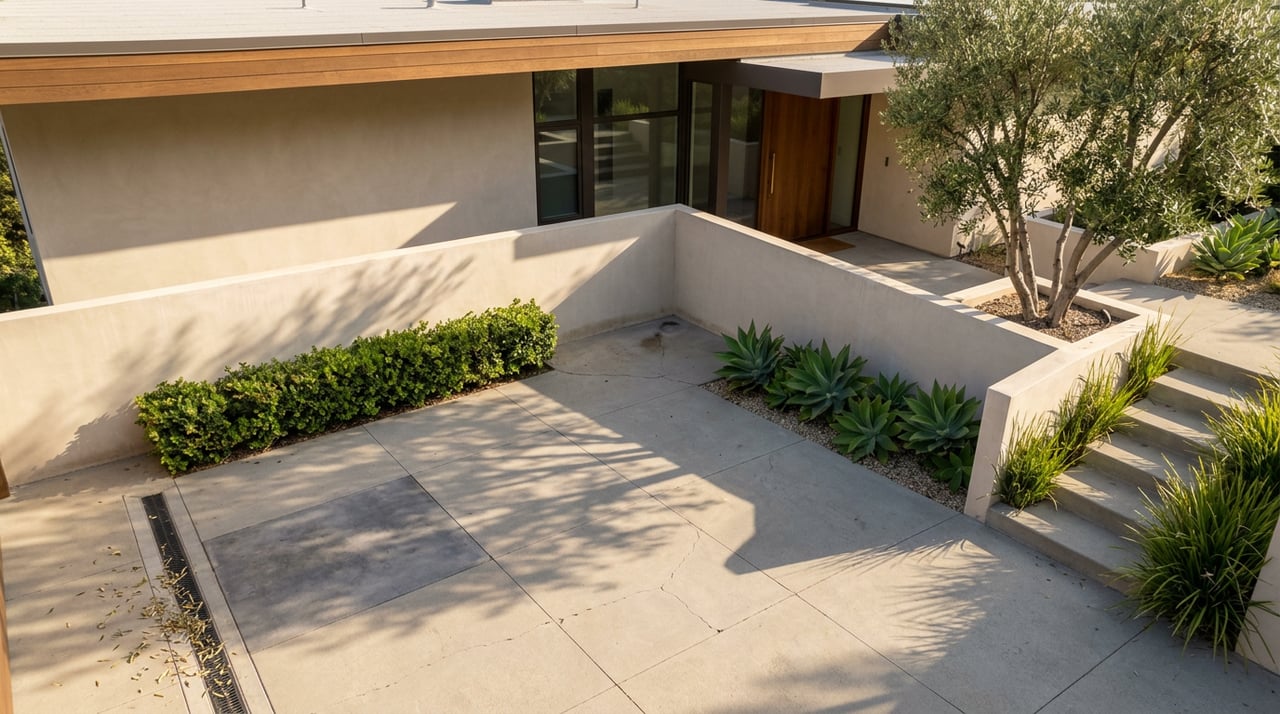
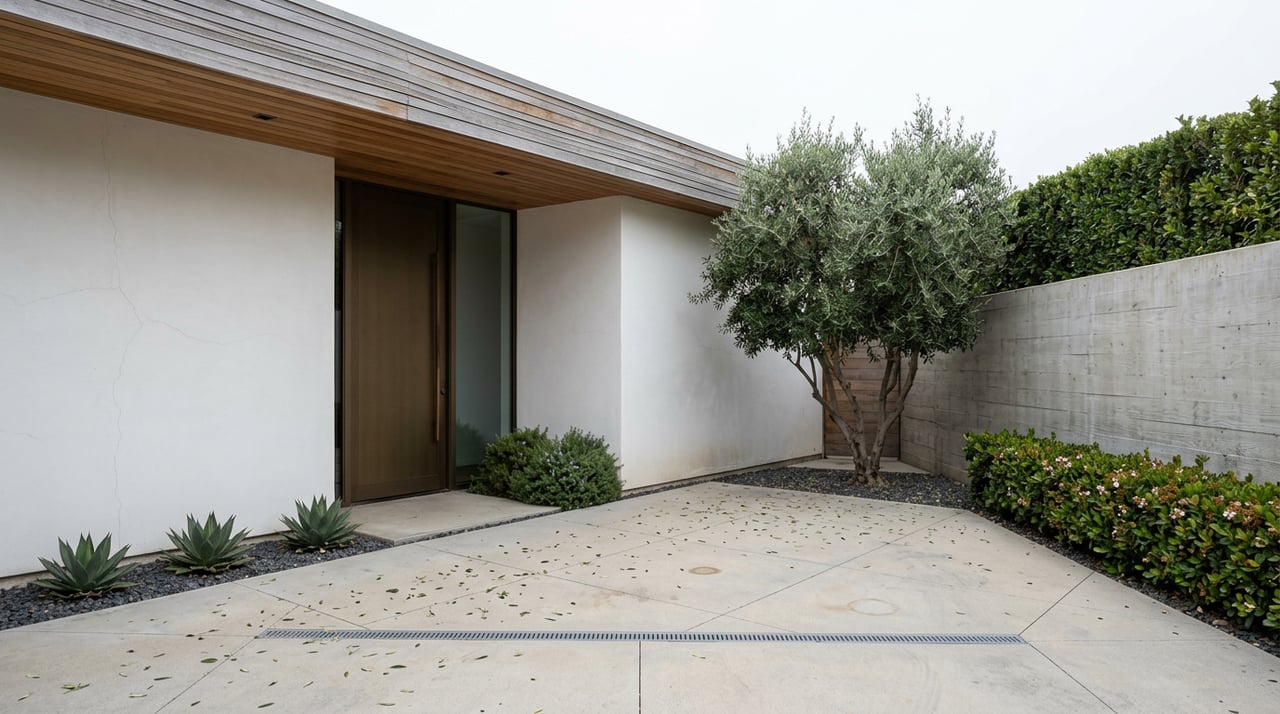
In Beverly Hills, a discreet property is often the result of many small factors working together. Street frontage, elevation, hedge lines, setback depth, and how much of the home is visible from the public right-of-way can all shape the feel of arrival and daily living. Two homes in the same city, and even the same price bracket, can offer very different privacy profiles.
This is especially important near major corridors and commercial areas. The city reports 24-hour traffic volumes of roughly 25,100 to 26,800 on Santa Monica Boulevard, 24,300 to 24,600 on La Cienega Boulevard, 20,400 to 18,100 on Wilshire Boulevard, and 18,600 to 16,300 on Sunset Boulevard. A home near these routes or near the commercial core will generally feel different from one in a hillside or estate setting.
Where Beverly Hills Often Feels Most Private
Beverly Hills usually works well for buyers who want privacy without giving up centrality. If you value efficient access to offices, hotels, restaurants, and services, the city can offer a more operationally convenient lifestyle. The key is choosing a property in an area where the surrounding street pattern and lot design support discretion.
For many privacy-minded buyers, hillside and estate-oriented pockets will feel more insulated than properties near commercial corridors. Beverly Hills can absolutely feel secluded, but that seclusion is usually more curated than natural. It is created through planning controls, lot characteristics, and careful selection.
Malibu vs. Beverly Hills: The Practical Difference
The clearest distinction is this: Malibu usually creates privacy through distance and terrain, while Beverly Hills usually creates privacy through screening and parcel strategy. One tends to feel more retreat-like. The other tends to feel more discreetly connected.
If your priority is a home that sits away from urban activity and feels visually buffered by the land, Malibu often stands out. If your priority is a central location that can still offer a controlled, private arrival and a well-screened residential setting, Beverly Hills may be the better fit.
Neither market wins in every scenario. A PCH-facing Malibu home may feel more exposed than a well-positioned Beverly Hills hillside estate. Likewise, a Beverly Hills property near a major corridor may offer less privacy than a canyon or ridge setting in Malibu.
What To Evaluate Property by Property
If privacy is the deciding factor, the smartest approach is to assess each property beyond the headline location. A strong search should focus on how the home actually sits within its immediate environment. That level of review matters more than the zip code alone.
Here are the most important variables to verify:
- The home’s relationship to PCH or a major Beverly Hills arterial
- Whether the lot sits in Malibu’s coastal strip, canyon, ridge area, Civic Center, or Point Dume area
- Whether the property sits in Beverly Hills’ Central, Hillside, or Trousdale district
- How much of the façade is visible from a public street
- Whether local rules shape walls, hedges, setbacks, or design review
- How arrival and departure feel during peak traffic periods
For a buyer at the top end of the market, this kind of analysis is where search quality improves quickly. It helps separate homes that merely sound private from homes that truly support the lifestyle you want.
Which Market Fits Your Privacy Brief?
If your brief is quiet, set back, low traffic, and more landscape than city, Malibu will often feel more aligned. Its planning structure, lot patterns, and terrain can create a stronger sense of escape. For buyers seeking a true retreat, that difference is often decisive.
If your brief is discreet, central, and logistically efficient, Beverly Hills may be the sharper fit. It offers easier access to the broader city, and the right estate or hillside property can still deliver meaningful privacy. For buyers balancing confidentiality with convenience, that can be a powerful combination.
At this level of the market, privacy is never just a luxury feature. It is a function of planning, roads, topography, and parcel design. The right advisor can help you read those variables clearly and avoid confusing prestige with true discretion.
If you are weighing Malibu against Beverly Hills and want a more property-specific view of privacy, positioning, and off-market opportunity, Jonas Heller offers discreet, high-touch guidance tailored to Los Angeles’ most privacy-sensitive luxury searches.
FAQs
Is Malibu always more private than Beverly Hills?
- No. Malibu often offers more natural separation, but a home near PCH or a beach-access corridor can feel more exposed than a well-sited Beverly Hills estate.
Can Beverly Hills still feel secluded for luxury buyers?
- Yes. Beverly Hills can feel very private, especially in hillside or estate-oriented areas where setbacks, hedges, walls, and lot placement reduce visibility.
What matters most for privacy in Malibu home searches?
- Road position, elevation, beach access proximity, and how the home sits within the coastal strip, canyon, or ridge setting are all key factors.
What matters most for privacy in Beverly Hills home searches?
- District, street exposure, distance from major corridors, and how much of the home is visible from the public street usually matter most.
Which market is better for convenience and privacy together?
- Beverly Hills often has the advantage for buyers who want privacy along with faster access to offices, hotels, restaurants, and services.
Which market is better for a retreat-like luxury setting?
- Malibu often fits that goal better because privacy there is more commonly shaped by terrain, distance, and a less urban land-use pattern.