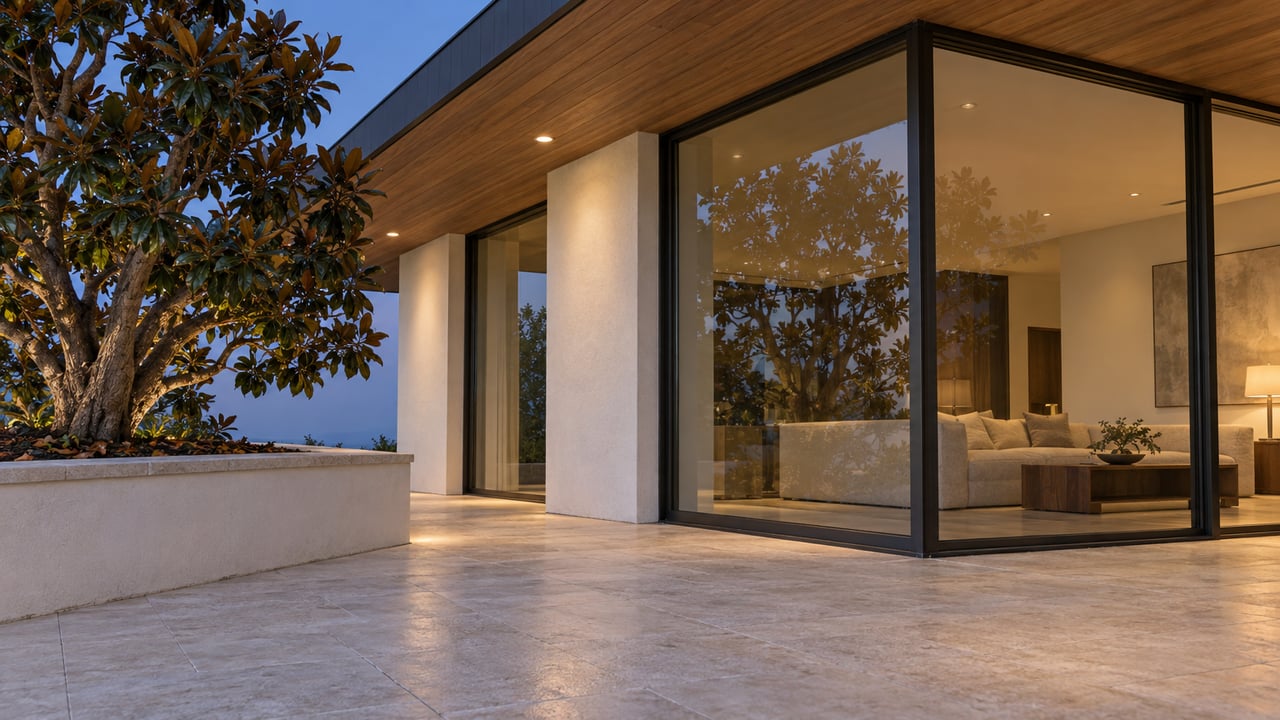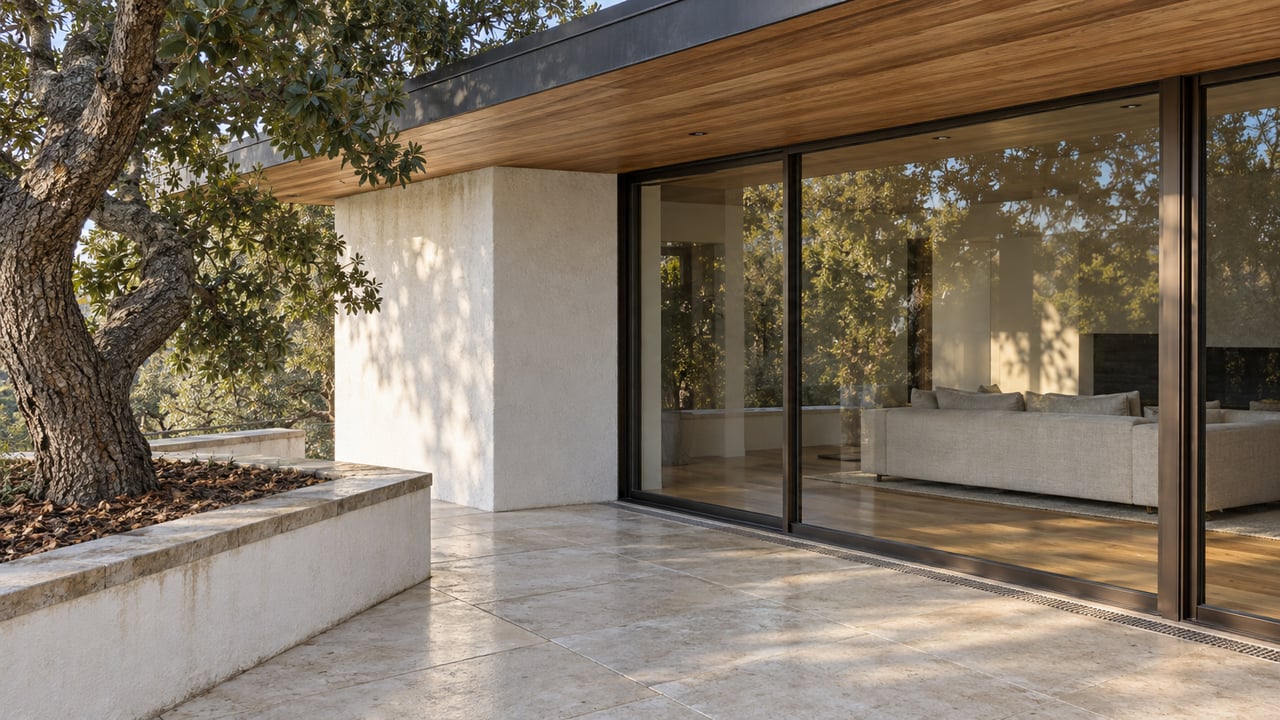
If you are looking at a Beverly Hills estate with a famous architect’s name attached, one question matters right away: how much of that story is actually documented? In this market, architectural pedigree can shape buyer interest, pricing power, and long-term stewardship, but only when the facts hold up. Understanding architectural provenance helps you separate a compelling legacy asset from a loosely told narrative. Let’s dive in.
What architectural provenance means
In simple terms, provenance is the documented history of a property from its creation to the present. For a Beverly Hills estate, that usually includes the architect of record, the construction date, collaborators, architectural style, later alterations, notable owners or occupants, and the records that support each point.
That means provenance is broader than a single claim that a home was “designed by” a well-known architect. The stronger standard is a documented chain of evidence. Beverly Hills’ historic-resources framework reflects that approach by requiring historical background, physical description, integrity, significance, and source citations for material facts such as construction date.
Why Beverly Hills is different
Beverly Hills is unusually rich in architectural history, and the city formally recognizes that. It maintains a List of Local Master Architects that includes names closely tied to Southern California estate design, including Wallace Neff, Richard Neutra, Paul Revere Williams, Frank Lloyd Wright, John Elgin Woolf, John Lautner, William Pereira, Gordon Kaufmann, and Roland E. Coate, among others.
That list matters because it gives context to what buyers and sellers are seeing in the field. The city’s Local Register includes architecturally significant properties such as Greystone Mansion, the Beverly Hills Hotel, Anderton Court, the Kronish Residence, the McGilvray House, the Vance Residence, the Pendleton-Evans Residence, and the David O. Selznick Residence.
In other words, Beverly Hills is not a market where design history is an afterthought. It is part of how certain estates are understood, presented, and valued.
Why provenance matters in estate sales
For some buyers, provenance is about cultural importance and legacy. For others, it is about confidence that a property is genuinely rare and not simply marketed that way. In both cases, documentation is what turns a design story into a credible asset feature.
Beverly Hills’ landmark criteria show why. A property generally must be at least 45 years old, or be extraordinarily significant, retain substantial integrity, and meet at least one additional criterion such as being an exceptional work by a Master Architect or being associated with a person of great importance or great local prominence.
That framework tells you something important as a buyer or seller. Provenance is not just a romantic narrative. In some cases, it can be central to whether a home is recognized as historically significant at all.
The records that make provenance credible
A serious provenance review is built on documents, not assumptions. Beverly Hills’ guidance for historic-resources assessment reads almost like a roadmap for assembling a reliable estate history.
Common supporting materials can include:
- County assessor records
- Building-permit history
- Sanborn maps
- City-directory research
- Prior survey forms
- Historical photographs
- Newspaper articles
- Letters and biographies
- Advertisements
- Subdivision maps
- Obituaries and related historical materials
When these sources align, they help confirm who designed the property, when it was built, how it changed over time, and whether key architectural features remain intact. When records conflict or are incomplete, certainty drops quickly.
Why integrity is part of provenance
A property can have an important origin story and still lose some of its market impact if later changes blur that history. Beverly Hills evaluates not just historical background, but also integrity. In practical terms, that means asking whether the estate still conveys the character and features that make it significant.
For example, a home associated with a recognized architect may carry more weight when original massing, detailing, materials, or key design concepts remain legible. If repeated alterations have substantially changed the structure, buyers may view the provenance as interesting but less decisive.
This is one reason sophisticated buyers often look beyond the architect’s name alone. They want to understand what is original, what has been altered, and whether those changes support or weaken the estate’s architectural identity.
Survey status versus landmark status
This is one of the most important distinctions in Beverly Hills. A property identified in a historic-resource survey is not automatically a designated landmark.
The city makes that separation clear. Surveys identify places with social, historical, or architectural significance, but designation is a separate process involving public notification, participation, and review.
If you are buying or selling an architecturally significant estate, that distinction can affect how the property is marketed and how future plans are evaluated. Survey recognition can still be meaningful, but it should not be presented as the same thing as landmark status.
What owners can confirm with the city
If a property is already designated, exterior changes may require a Certificate of Appropriateness. If a property is not on the local register, an owner may request a Certificate of Ineligibility.
These formal channels matter because they can help clarify status before a sale, renovation plan, or marketing launch. For a seller, that can reduce confusion and strengthen the presentation package. For a buyer, it can help frame what level of review may apply before future design work begins.
Beverly Hills also notes that designated landmark properties may qualify for a Historic Incentive Permit. The city states that the Mills Act can provide a potential property-tax reduction, and a landmarked property or contributing resource may be eligible for a Beverly Hills Historic Property Plaque.
How provenance can influence desirability
There is no single formula that says provenance adds a fixed premium to an estate. The broader research on historic designation and architectural character generally points to positive value effects in many markets, but the results vary by location, designation framework, and the tradeoffs that come with regulation.
For Beverly Hills estates, the safest conclusion is more nuanced. Provenance tends to influence desirability and pricing power through rarity, documentation quality, and perceived cultural importance rather than through a predictable percentage increase.
That makes sense in a market driven by exceptional properties and discerning buyers. A well-documented estate with strong integrity can attract collectors, design-aware buyers, and legacy-minded purchasers. A property with vague attribution or unsupported claims is more likely to face skepticism and a narrower buyer pool.
Why attribution language matters
The exact words used to describe an estate can shape credibility. In provenance work, “by,” “attributed to,” and “in the style of” do not mean the same thing.
The Getty standard and Beverly Hills’ documentation approach both support using precise attribution language that reflects the actual level of certainty. If records clearly establish the architect of record, that is one thing. If evidence suggests a connection but does not fully prove authorship, the wording should be more careful.
For sellers, precise language protects credibility. For buyers, it helps you understand what has been verified and what still falls into informed interpretation.
What a sale-ready provenance package should include
If you are preparing an architecturally significant Beverly Hills estate for market, provenance should be organized with the same care as photography, pricing strategy, and showing logistics. A thoughtful package can help qualified buyers and their advisors assess the opportunity quickly and accurately.
A strong provenance package will often include:
- Architect attribution
- Construction date
- Building permits
- Original or archival photographs
- Ownership chronology
- Published references
- Survey or landmark reports
- Current city status, if applicable
- Information on plaque eligibility, Mills Act potential, or other city-recognized historic benefits when relevant
This kind of preparation does more than support the marketing story. It can reduce friction during diligence and help the estate stand apart in a market where buyers are trained to question unsupported claims.
What buyers should review before planning changes
If you are purchasing a property with architectural or historic significance, review city status before starting design work. In Beverly Hills, designated landmarks and contributing properties may need a Certificate of Appropriateness for exterior changes.
That does not automatically mean a project is not feasible. It does mean that planning should begin with accurate status verification and a clear understanding of the property’s historical context.
For buyers who value both architecture and discretion, this early diligence can prevent costly surprises. It also helps you make decisions that respect the property’s identity while aligning with your long-term goals.
The bottom line for Beverly Hills estates
In Beverly Hills, architectural provenance is not just a line in a listing description. It is the documented story of who created the estate, how it evolved, what remains intact, and how the city may recognize its significance.
When that story is well supported, it can strengthen desirability, sharpen buyer confidence, and elevate how an estate is positioned in the market. When it is thin or overstated, sophisticated buyers tend to notice.
If you are buying, selling, or quietly evaluating an architecturally significant property in Beverly Hills, careful provenance review is part of protecting both value and legacy. For a discreet, highly tailored strategy around notable estates, request a private consultation with Jonas Heller.
FAQs
What does architectural provenance mean for a Beverly Hills estate?
- It means the documented history of the property, including authorship, construction date, style, ownership history, later alterations, and the records that support those facts.
Why does architectural provenance matter in Beverly Hills real estate?
- It can shape buyer confidence, desirability, and how an estate is positioned, especially when the property has strong documentation, notable authorship, and retained architectural integrity.
What documents help verify provenance for a Beverly Hills home?
- Useful records can include permits, assessor records, Sanborn maps, survey forms, archival photos, city directories, newspaper articles, letters, biographies, and subdivision maps.
Is a historic survey the same as landmark status in Beverly Hills?
- No. A survey can identify significance, but landmark designation is a separate city process with its own review, notice, and participation requirements.
What should a buyer check before altering a historic Beverly Hills property?
- A buyer should confirm the property’s city status first, because designated landmarks and contributing properties may require a Certificate of Appropriateness for exterior changes.
What should sellers include in a Beverly Hills provenance package?
- A strong package usually includes architect attribution, construction date, permit history, ownership chronology, archival images, published references, survey or landmark materials, and current city status if applicable.