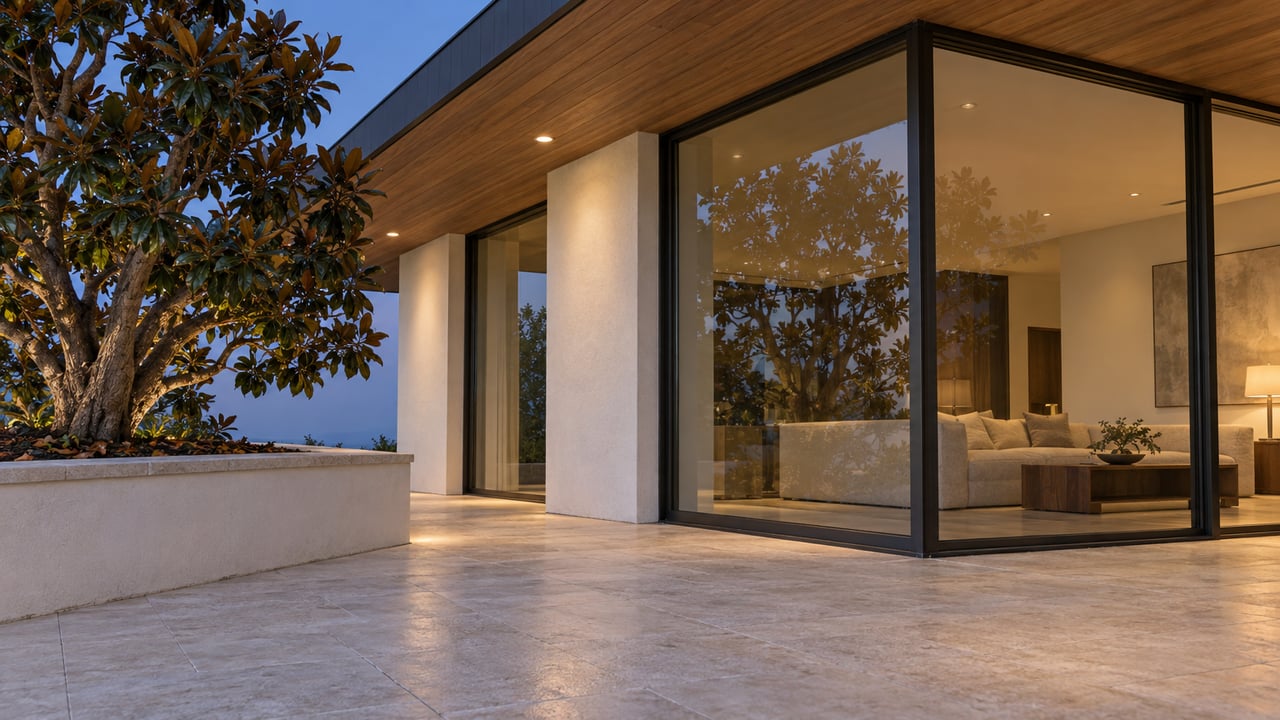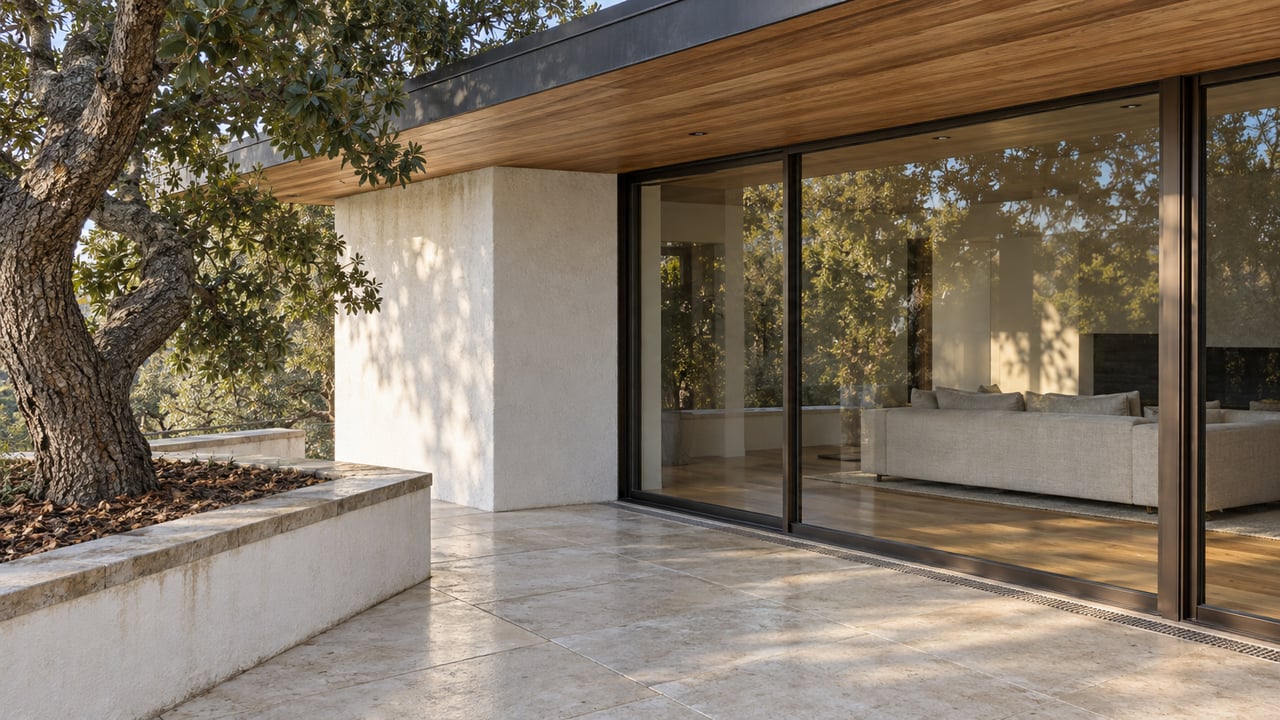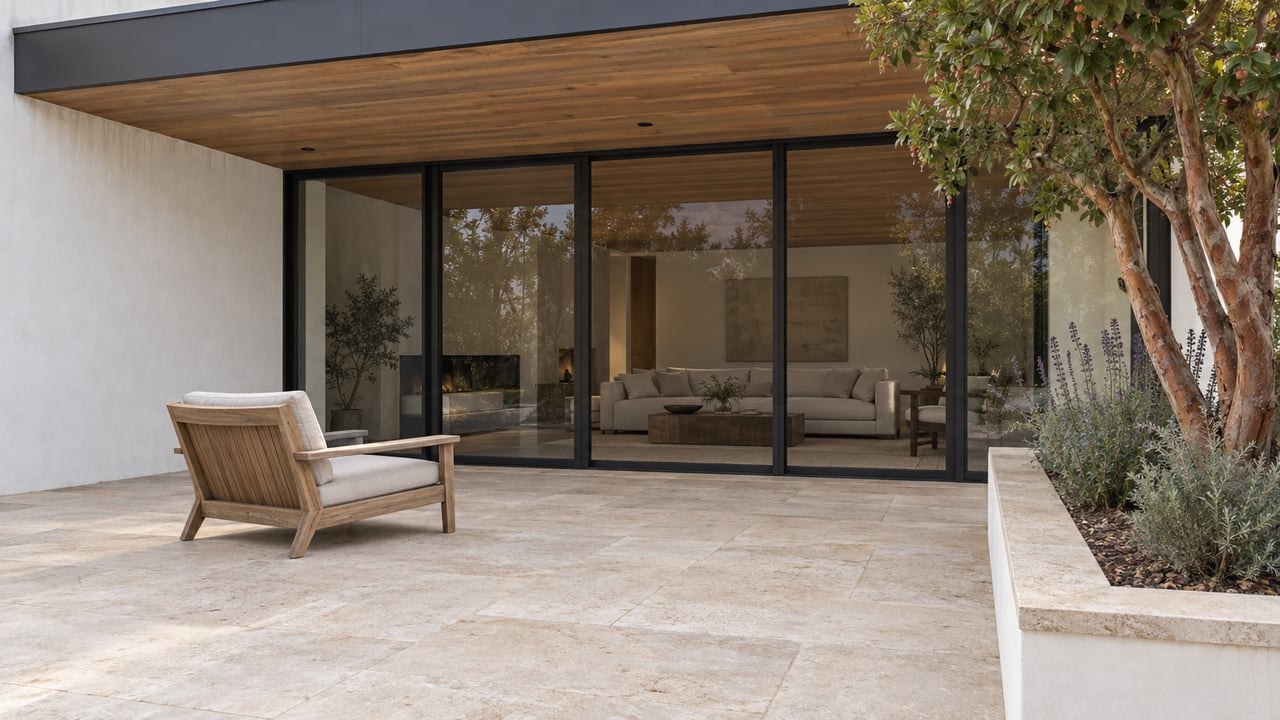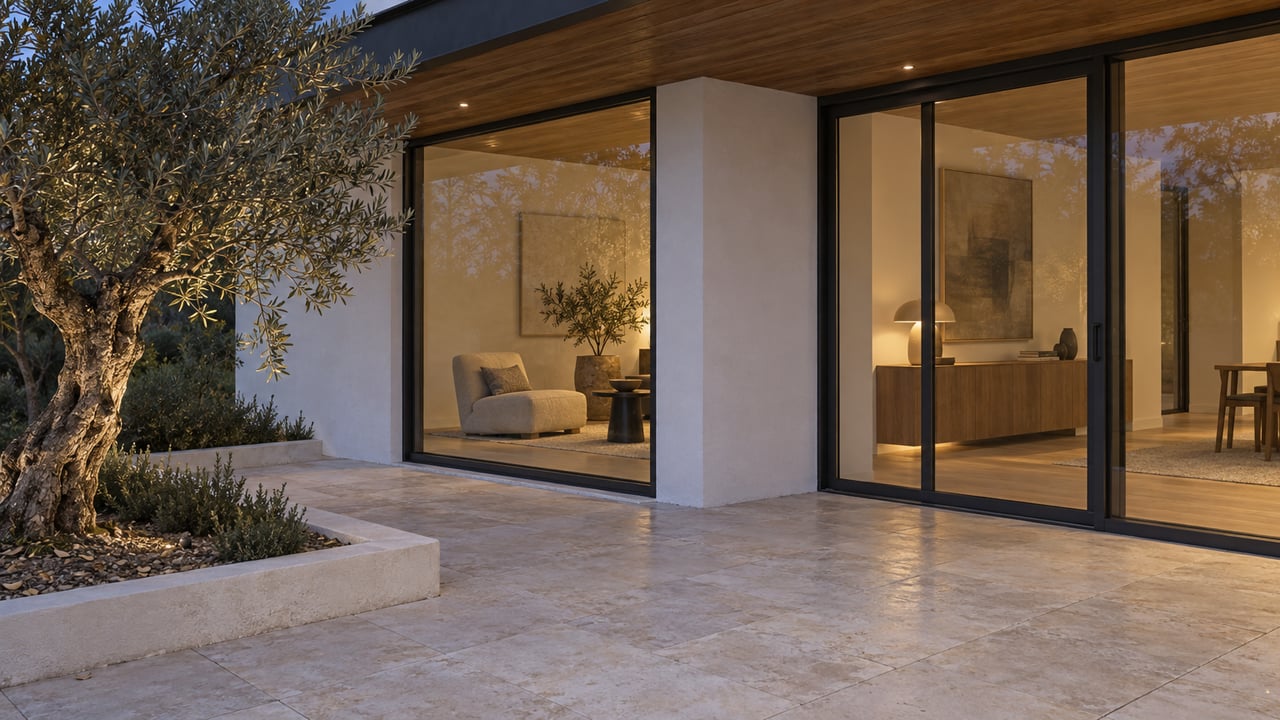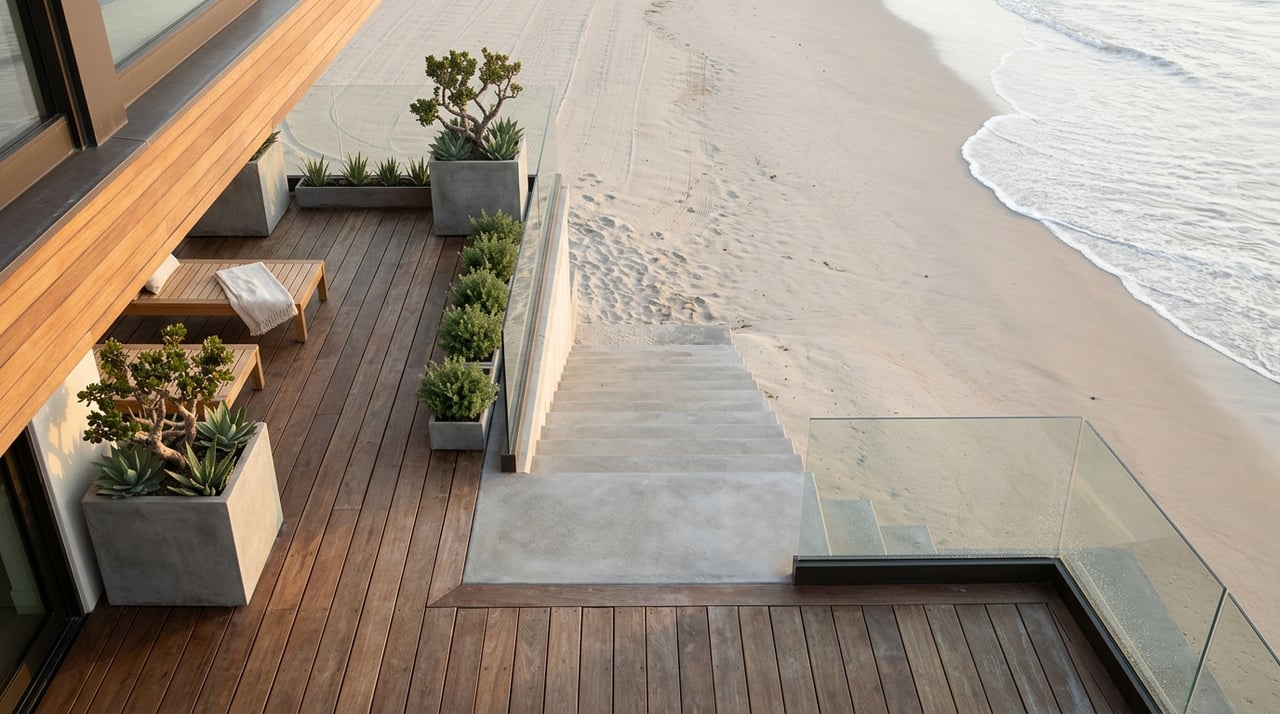
Ever wonder what beachfront life in Malibu actually feels like once the photos and postcard views fade into everyday routine? If you are considering a home along the water, the real story is not just beauty. It is how tides, weather, access, traffic, and seasonal patterns shape the rhythm of each day. This guide gives you a clear, grounded look at what daily life in Malibu’s beachfront estates can really involve. Let’s dive in.
A Coast That Sets the Pace
Malibu stretches along 21 miles of coastline, and the entire city sits within the California coastal zone. That matters because shoreline use and development are shaped by Malibu’s Local Coastal Program, which influences how the coast is managed and how beachfront property is reviewed over time.
Daily life here is tied closely to the physical shoreline. Malibu’s 2026 Coastal Vulnerability Assessment describes many beaches as narrow stretches running alongside beachfront homes, coastal bluffs, and Pacific Coast Highway, with wider sand found around Zuma and Westward, Point Dume, and Surfrider. Beach width can shift regularly because of tides and seasonal conditions, so the edge between home and shoreline is not static.
Mornings Feel Different Here
One of the clearest patterns in Malibu is the way the day begins. Along coastal Southern California, marine-layer clouds are most common from April through August and tend to peak in May and June. They often reach their greatest extent around sunrise, then begin to clear as temperatures rise.
For you, that can mean a muted, cooler morning even when inland areas are already bright and warm. Light is softer, the air can feel damp, and the shoreline often has a quieter tone in the early hours. By afternoon, the same setting may feel completely transformed.
The Early-Day Routine
If you live on the beach in Malibu, mornings often invite a slower start. You may find that the coast feels more contemplative before the sun breaks through. That rhythm is part of the draw.
Surfrider Beach helps define that culture. As the first World Surfing Reserve, it anchors a morning surf identity that has long shaped Malibu’s public image and daily movement near the water.
Privacy Comes With Public Coastline Rules
Beachfront estates in Malibu can feel secluded, but privacy on the shoreline is not absolute. California’s Coastal Act protects the public’s right of access to the sea, including dry sand and rocky beaches up to the first line of terrestrial vegetation. The State Lands Commission also notes that tidelands lie between mean high tide and mean low tide.
In practical terms, owning or occupying a beachfront home does not mean controlling the surrounding coast. Malibu’s Local Coastal Program applies to development and activity within city limits, and coastal engineering staff reviews wave run-up reports and building plans with attention to adjacent properties, beach conditions, and inundation.
What That Means Day to Day
The experience can still feel highly private, especially from within a well-positioned residence. But the shoreline around you may include public movement, visible access points, and changing beach conditions that affect how open or quiet the setting feels.
MRCA manages 13 Malibu beach accessways, two safe Pacific Coast Highway undercrossings, and two coastal overlooks, with daily ranger patrols and trash pickup. Los Angeles County also notes that not all accessways are county-maintained and that some are subject to tidal action or emergency warnings.
Pacific Coast Highway Shapes Daily Movement
In Malibu, daily circulation revolves around Pacific Coast Highway. Whether you are heading east, moving through central Malibu, or coordinating arrivals at a beachfront property, PCH is the main corridor that structures the day.
The city’s 2026 PCH fact sheet says a signal-synchronization project links 12 traffic signals between Topanga Canyon Boulevard and John Tyler Drive. Caltrans can adjust timing in real time, with the goal of improving traffic flow, regulating speeds, and reducing congestion.
That helps, but volume still matters. During peak summer months, about 40,500 vehicles per day travel through Malibu on PCH. For a beachfront owner or buyer, that means access planning is part of the lifestyle, not an occasional inconvenience.
Summer Brings a Different Tempo
Seasonality is especially visible in summer. The Malibu Beach Team runs from Memorial Day weekend through the weekend after Labor Day, reflecting the city’s higher-enforcement season for beaches and highways.
Beach parking also follows seasonal schedules. Los Angeles County states that overnight parking is not allowed at county-managed beach lots, and street-parking rules vary by municipality and posted restrictions. If you entertain often or expect frequent guests, logistics matter.
The Shoreline Is Always Changing
A beachfront estate in Malibu sits within a scenic but highly managed coastal environment. The shoreline can narrow or widen depending on tides and the season, and the city’s Coastal Vulnerability Assessment highlights issues such as sea-level rise, tidal inundation, storm flooding, coastal erosion, and wave run-up.
This is especially relevant at beachfront parcels and access roads. The condition of the beach in front of a home may not look the same from one month to the next. That variability is part of living directly on the coast.
A Home With Ongoing Coastal Context
For you as a buyer or owner, this means daily enjoyment is paired with a need for realistic expectations. Oceanfront living in Malibu is dynamic rather than fixed. The setting is beautiful, but it is also shaped by natural forces and local oversight.
That balance often appeals to buyers who want a more informed understanding of the asset itself, not just the view. A strong beachfront purchase is about both lifestyle and context.
Weather Patterns Influence the Mood
Weather in Malibu has a strong effect on how a day feels. The marine layer can linger into the afternoon during spring and summer, while Santa Ana winds are more common from September through May.
The National Weather Service notes that Santa Ana winds can increase wildfire risk and property damage. Along the coast, those shifts can change everything from visibility and air movement to how outdoor spaces are used on a given day.
Seasonal Rhythm Matters
If you are used to a more stable daily climate, Malibu may feel more nuanced. A June morning can begin gray and cool, then open into a bright coastal afternoon. Later in the year, wind events can reshape the atmosphere entirely.
That variation is part of Malibu’s identity. It also reinforces why local knowledge matters when evaluating a beachfront property’s position, access, and day-to-day livability.
Beach Use Can Change With Water Conditions
The coastline is also managed as a water-quality environment. The City of Malibu says large sections of the coastline are designated as an Area of Special Biological Significance, and urban runoff is prohibited from reaching that area.
The city also states that its stormwater treatment facility was built to reduce bacteriological contamination entering Malibu Lagoon and Surfrider Beach and to reduce beach postings and closures. Even so, beach use can change after storms, runoff events, or wildfire impacts.
Monitoring Is Part of Coastal Living
County Public Health issues ocean-water warnings and closures at Malibu beaches when bacteria exceed standards or after fire-related impacts. So while the beach may be steps from your door, access to the water is not always defined by convenience alone.
For everyday life, that means checking current conditions can become part of your routine, especially after storms or unusual weather. It is another example of how Malibu’s waterfront is both exceptional and closely managed.
What Daily Life Really Feels Like
When you put these elements together, Malibu’s beachfront rhythm becomes easier to understand. Mornings often begin cool and subdued under marine clouds. Midday brings a brighter, more open coastline. Summer introduces heavier traffic, more beach activity, and more visible public circulation.
At the same time, the shoreline itself remains in motion. Tides, seasonal beach width, weather, accessways, and water-quality monitoring all play a role in how the day unfolds. That is the reality behind the image, and for many buyers, it is exactly what makes the setting so compelling.
If you are considering a Malibu beachfront estate, it helps to approach the search with a clear sense of both the lifestyle and the operating environment around it. For discreet guidance on Malibu and other rare Los Angeles properties, Jonas Heller offers private, high-touch representation tailored to the market’s most sensitive and significant opportunities.
FAQs
What is daily life like in Malibu beachfront estates?
- Daily life often follows the coast’s natural and seasonal rhythm, with cooler marine-layer mornings, brighter afternoons, changing beach conditions, and regular influence from traffic, tides, and public shoreline access.
How private are Malibu beachfront homes?
- Beachfront homes can feel very private from within the residence, but California coastal access rules mean the surrounding shoreline may still include public access and circulation.
How does Pacific Coast Highway affect Malibu beachfront living?
- Pacific Coast Highway is Malibu’s main travel corridor, and daily routines often depend on traffic flow, signal timing, summer congestion, and guest parking logistics.
Do Malibu beaches stay the same year-round?
- No. Malibu’s beach width can change with daily tidal inundation and seasonal shifts, and coastal conditions may also be affected by erosion, storm flooding, and wave run-up.
How does weather shape life on Malibu’s shoreline?
- Marine-layer clouds are common from spring into summer, often making mornings cooler and grayer, while Santa Ana winds are more common from fall through spring and can affect outdoor conditions and property use.
Can beach conditions near Malibu homes change after storms or fires?
- Yes. County Public Health may issue ocean-water warnings or closures when bacteria exceed standards or after fire-related impacts, so beach use can change based on current environmental conditions.