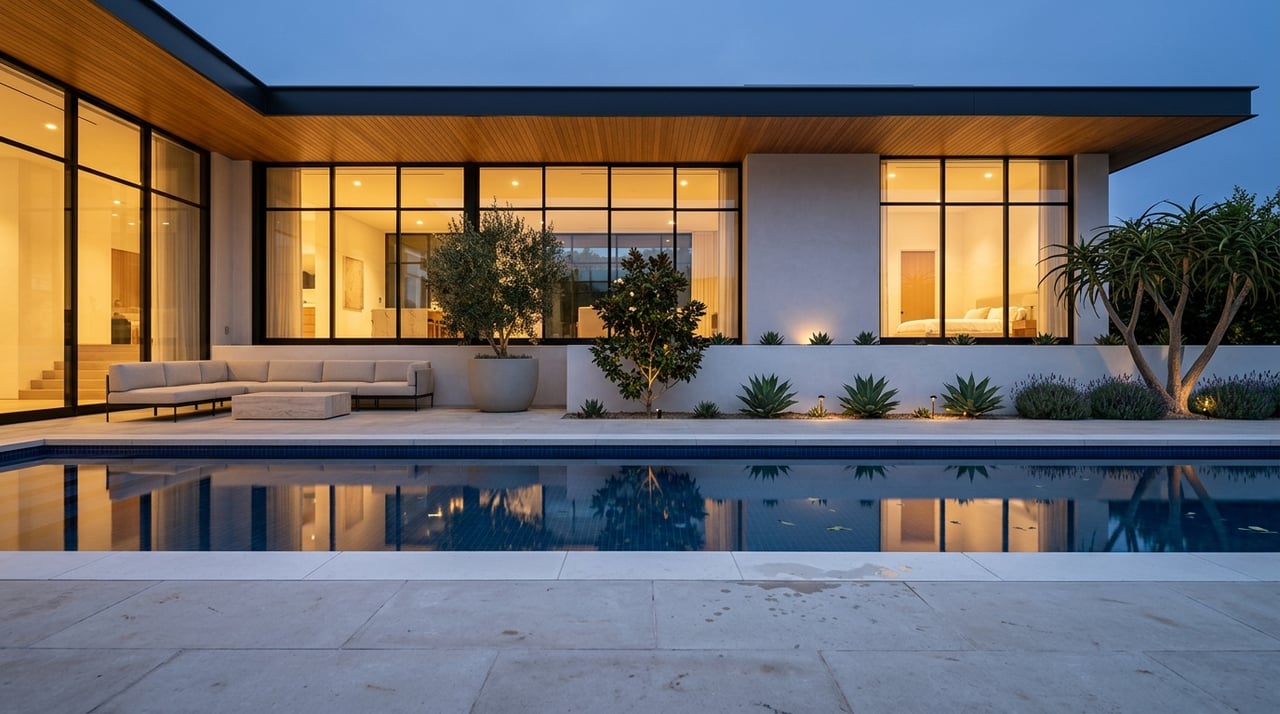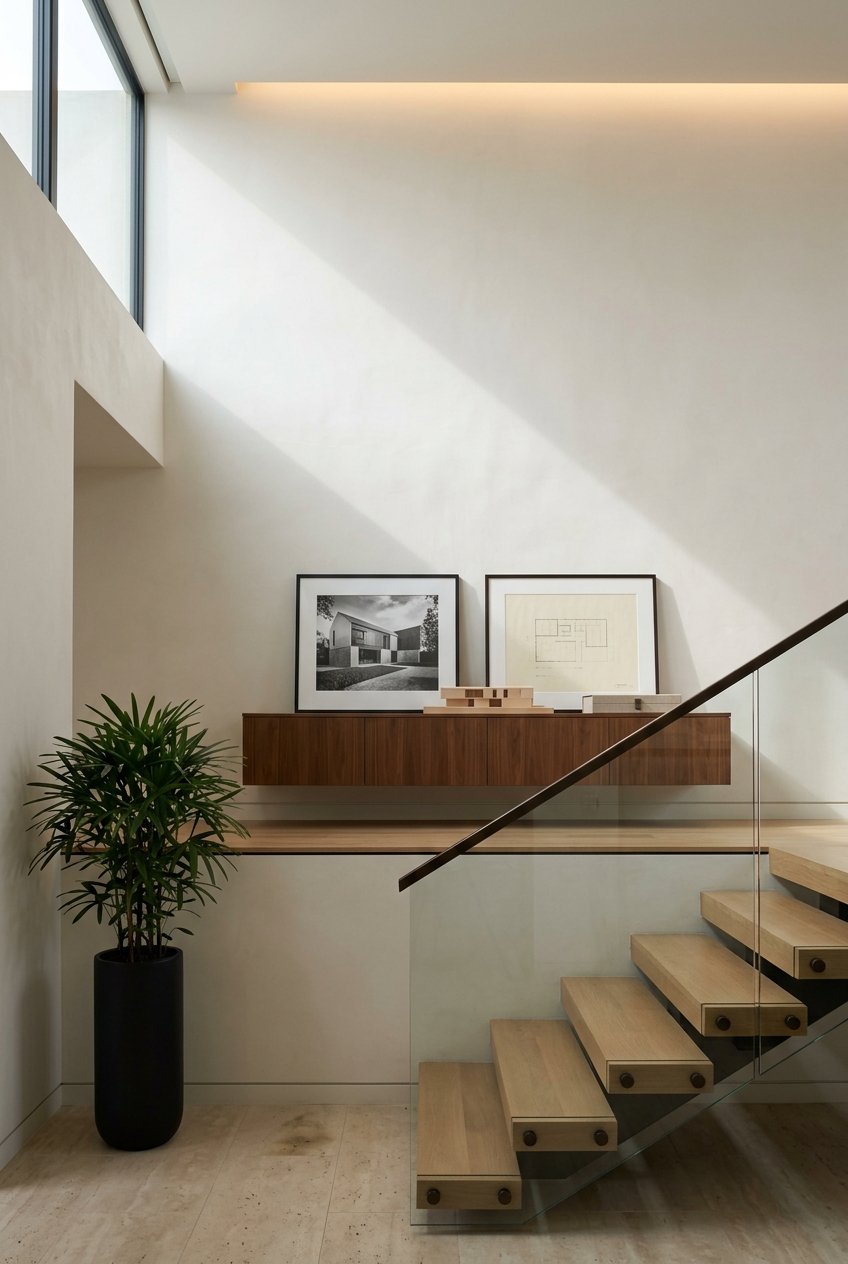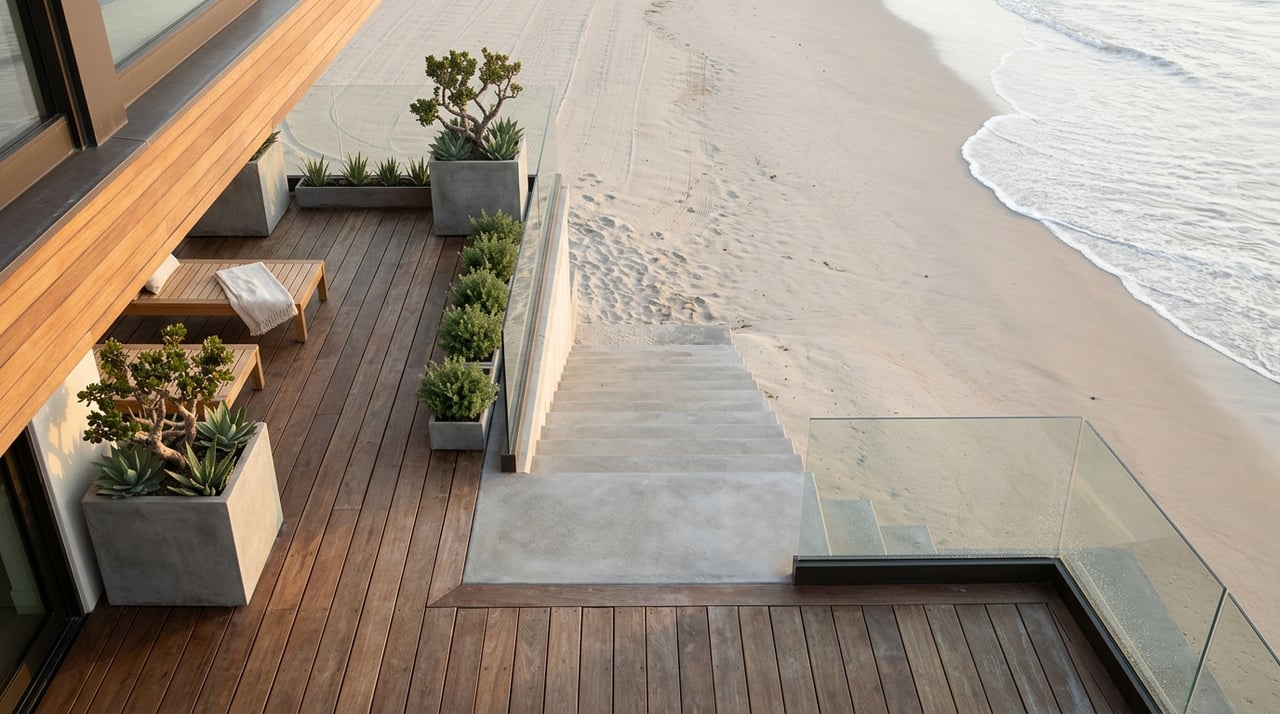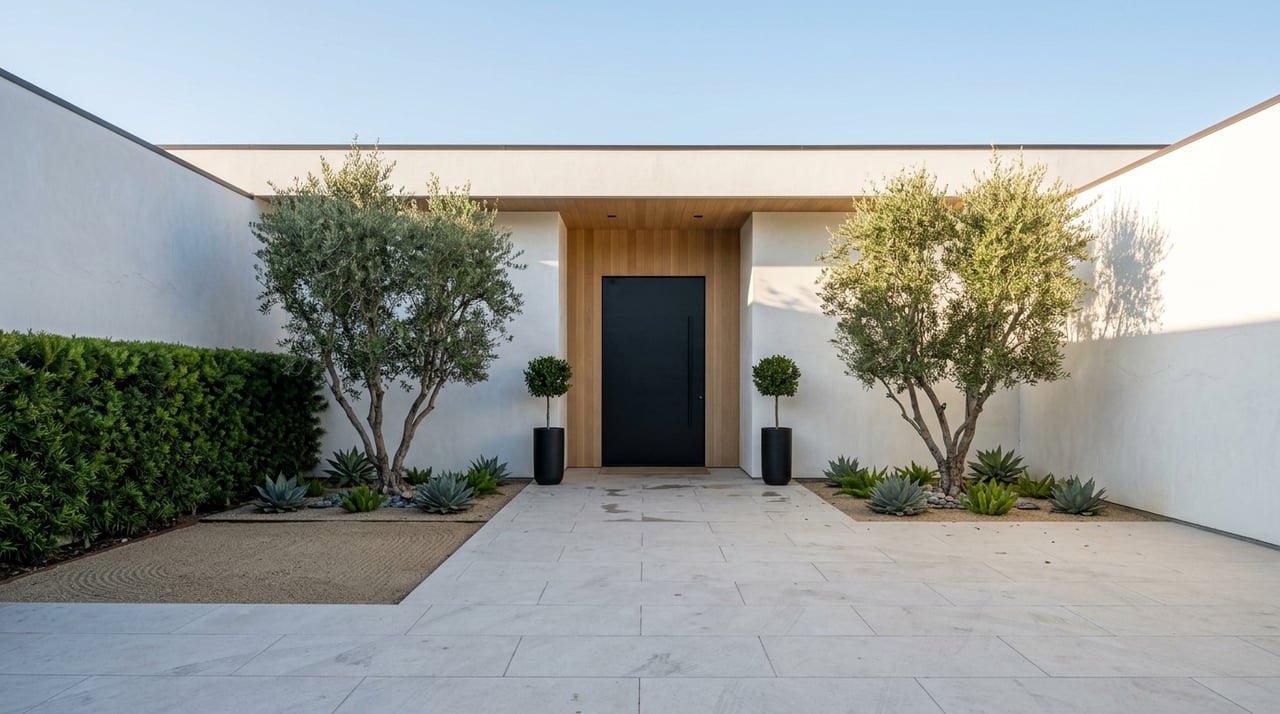
If you are preparing to sell a Beverly Hills estate, local exposure alone is rarely enough. Beverly Hills carries a global identity, and buyers often evaluate these homes through a lens shaped by architecture, privacy, image, and convenience. A well-prepared launch can help your property read clearly across borders, time zones, and media formats. Let’s dive in.
Why global exposure matters in Beverly Hills
Beverly Hills is not a typical local market. The U.S. Census Bureau reports 31,027 residents, a median household income of $132,977, a foreign-born share of 37.9%, and 43.6% of residents speaking a language other than English at home. In a city with a median owner-occupied home value above $2,000,000, your buyer pool may be local, national, or international.
That international dimension still matters in today’s market. NAR reported that foreign buyers purchased $56 billion in U.S. existing homes from April 2024 through March 2025, and California accounted for 15% of all foreign-buyer activity. NAR also found that these buyers were more likely to purchase at the upper end of the market, which makes Beverly Hills especially relevant.
Beverly Hills also has a highly recognizable public image. The city’s official history highlights its long-standing prestige, the central role of Rodeo Drive and the Golden Triangle, and the influence of film and television on its identity. For you as a seller, that means your estate should not be presented as just another listing. It should be launched as a carefully managed visual and architectural offering.
Start with architectural clarity
Before cameras arrive, your estate needs a clear story. Global buyers may first encounter the property through photos, video, or a private digital presentation, so the home’s layout, design intent, and strongest features must read immediately. If the architecture is significant, that design language should lead the presentation.
This is especially important in Beverly Hills, where many homes carry pedigree, scale, or a strong visual identity. Buyers are often responding to more than square footage. They are assessing provenance, privacy, and how the property fits the city’s elevated expectations.
A strong pre-launch review usually focuses on what should be emphasized and what should be simplified. Sightlines, natural light, circulation, outdoor connections, and key entertaining spaces often deserve the most attention. If a room distracts from the architecture, editing it down can be more effective than adding more styling.
Stage the rooms that matter most
Staging remains one of the clearest ways to improve how a property is perceived. According to NAR’s 2025 staging report, 83% of buyers’ agents said staging makes it easier for a buyer to envision the property as a future home. The same report found that 49% of sellers’ agents saw reduced time on market, and 29% said staging produced a 1% to 10% increase in the dollar value offered.
For a Beverly Hills estate, staging should feel refined and restrained. The goal is not to fill space. The goal is to help buyers understand scale, flow, and lifestyle without competing with the architecture.
NAR’s report says the most commonly staged rooms are:
- Living room
- Primary bedroom
- Dining room
- Kitchen
These spaces often shape a buyer’s first impression fastest. In an estate setting, they also tend to carry the strongest signals about entertaining, daily living, and overall polish. If your preparation budget needs to be prioritized, these are usually the rooms to address first.
Protect historic and design integrity
Some Beverly Hills properties require a more careful hand. The city’s landmark criteria state that a property may qualify based on age, extraordinary significance, artistic or aesthetic value, integrity from its period of significance, or importance to the community. Additional factors can include master-architect authorship or iconic status.
If your estate has architectural or historic significance, presentation choices should support those features rather than cover them up. Original materials, notable detailing, symmetry, craftsmanship, and signature design moments should remain visible and legible. Temporary, reversible staging choices are often the safest path when a home’s identity is part of its value.
In practical terms, that can mean lighter-touch styling, less invasive installation, and more attention to how furnishings frame the structure. Buyers in this segment are often highly attuned to authenticity. Preserving the character of the home can strengthen both market reception and credibility.
Build a polished media package
A global launch depends on more than still photography alone. NAR’s 2025 staging report found that buyers’ agents rated photos, traditional physical staging, videos, and virtual tours as highly important to clients. That matters even more when prospective buyers may first engage with your estate remotely.
Your media package should help someone understand the property quickly, even from another market or another country. It should explain the home visually, highlight what makes it distinct, and make the next step feel easy. A scattered set of assets can create confusion, while a coordinated package creates confidence.
A strong estate launch often includes:
- High-quality still photography
- Video that explains flow and setting
- Virtual tour assets for remote review
- Clear captions and descriptive property details
- A concise presentation package for private sharing
In Beverly Hills, visual polish is not just helpful. It is expected. Because the city is so closely associated with image and status, your listing media should feel intentional, cinematic, and discreet.
Plan permits before production day
One of the most important details in Beverly Hills is also one of the easiest to overlook. The city says commercial still photography and filming require a permit, including work on private property, indoors, outdoors, or in the public right-of-way. For a listing launch, that means the shoot itself should be treated as a permitted commercial production.
This is not something to handle at the last minute. The city notes that some permits can be issued within 48 business hours, while applications that require Beverly Hills Police Department support should be submitted at least seven business days in advance. Depending on the scope of your production, more time may be wise.
For estate sellers, this reinforces the value of organized planning. A thoughtful launch calendar helps avoid rushed decisions, scheduling conflicts, or compliance issues just as the property is being prepared for public or private release.
Use drones carefully and legally
Drone footage can be powerful for estate marketing, especially when a property has a long approach, notable grounds, or meaningful relationships to surrounding streetscape or topography. But in Beverly Hills, drone use is tightly controlled.
The city states that drones are permitted for filming and photography only after review, a valid filming permit is required, and a Beverly Hills Police Officer must remain with the operator for all drone activity. This adds both logistical and timing considerations to production planning.
For you as a seller, the takeaway is simple. If aerial footage is part of the launch strategy, it should be planned early and executed by a team that can coordinate the required approvals and on-site structure. In many cases, a smaller and more choreographed production approach will work best.
Keep the production discreet
Large residential shoots can create friction if they are not tightly managed. Beverly Hills filming rules can include notice requirements to nearby residents or businesses in some cases, limits on residential filming days, and conditions for extensions. The city also notes restrictions such as no amplified sound, no special effects, no adjacent-street parking, and lighting contained within the site.
For an estate owner, that points toward a quieter and more disciplined production model. Smaller crews, precise shot lists, controlled timing, and contained equipment setups are often the better fit. This approach supports privacy while also aligning with the city’s operating expectations.
Discretion matters for practical reasons and brand reasons. In Beverly Hills, many sellers want strong exposure without unnecessary visibility around the production itself. The process should feel polished, not disruptive.
Prepare for multilingual and cross-border communication
In a market like Beverly Hills, communication strategy matters almost as much as visuals. With 37.9% of residents foreign-born and 43.6% speaking a language other than English at home, bilingual or translated materials can be useful. Captioning, concise summaries, and time-zone-flexible communication can also help a property travel more effectively.
That does not mean overcomplicating the presentation. It means making sure the essential information is easy to understand, easy to share, and easy to review quickly. Estate buyers and their advisors often make early decisions based on clarity, responsiveness, and confidence in the process.
When a launch is prepared for cross-border attention, the property can be shown more efficiently to qualified buyers who may rely on representatives, family offices, or private advisors. In this tier of the market, readiness often signals seriousness.
Match exposure to the property
Not every Beverly Hills estate should be marketed in the same way. Some homes benefit from broad visibility, while others require selective syndication, private showings, and more controlled inquiry channels. The right mix depends on the property, the seller’s privacy priorities, and the likely buyer profile.
NAR’s international-buyer data supports the logic of reaching qualified global prospects, especially in California and at the upper end of the market. At the same time, Beverly Hills properties often carry privacy expectations that call for precision rather than volume. The goal is not simply maximum attention. The goal is the right attention.
That is why launch preparation should be strategic from the beginning. From staging and media to permits and audience targeting, each step should support the same outcome: presenting the estate with clarity, control, and reach.
Selling a Beverly Hills estate is rarely just about putting a property online. It is about shaping how the home is understood by a sophisticated audience that may discover it from across town or across the world. If you want a launch that balances visibility, privacy, and white-glove execution, Jonas Heller offers discreet guidance tailored to estate-scale properties.
FAQs
Does a Beverly Hills estate photo shoot need a permit?
- Yes. The city says commercial still photography and filming require a permit, including on private property, indoors, outdoors, and in the public right-of-way.
How early should you plan a Beverly Hills listing shoot?
- The city says some permits can be issued within 48 business hours, but applications requiring Beverly Hills Police Department support should be submitted at least seven business days in advance.
Which rooms matter most when staging a Beverly Hills estate?
- NAR’s 2025 staging report says the living room, primary bedroom, dining room, and kitchen are the most commonly staged rooms.
Why is global exposure important for a Beverly Hills estate sale?
- Beverly Hills has a large foreign-born population, substantial multilingual households, and California captured 15% of foreign-buyer activity in NAR’s latest reporting.
Should a historic Beverly Hills home be staged differently?
- Yes. If a property has architectural or historic significance, staging should preserve defining features and use presentation choices that support the home’s integrity.