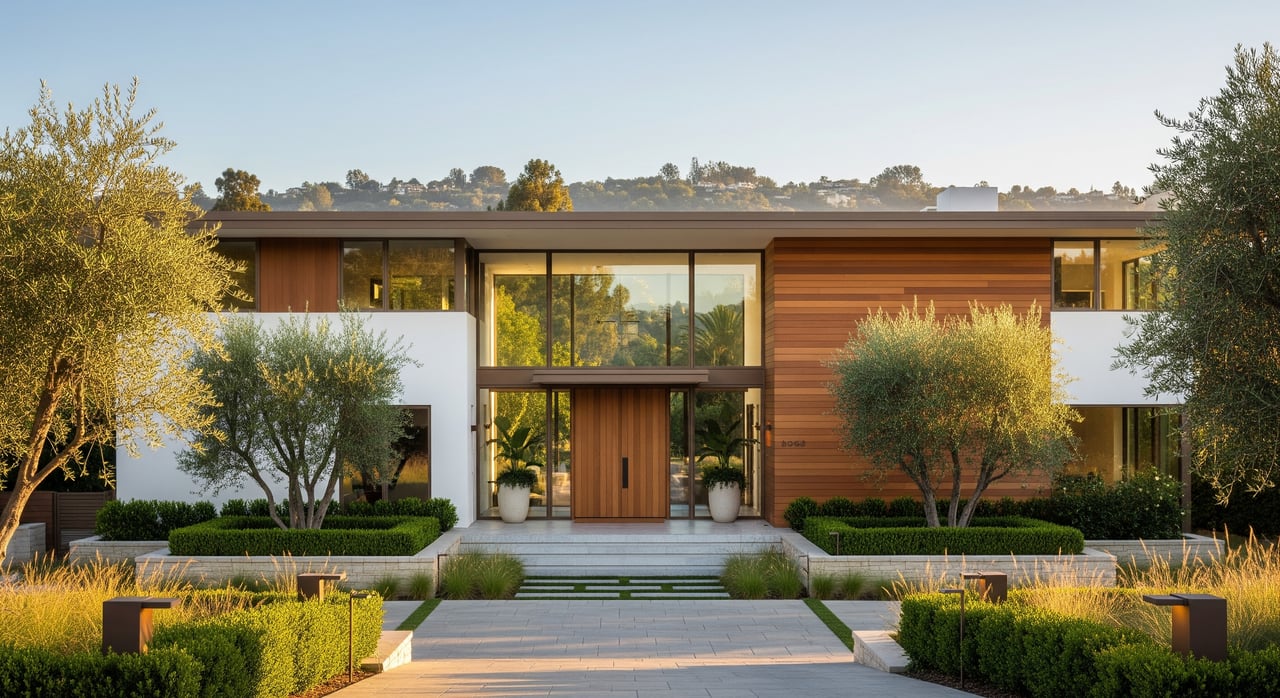
Love the architecture in Brentwood but not always sure what you are looking at or how it affects value? If you are buying or selling a design-forward home, understanding the neighborhood’s architectural languages helps you make smarter choices. This guide breaks down the most common styles, how to spot quality and authenticity, and what to consider for pricing, marketing, and renovations in Brentwood. Let’s dive in.
Why style matters
Brentwood has distinct buyer segments that connect with different architectural languages. When you align your home’s true character with the right audience, you improve both interest and pricing. You also avoid costly missteps, like generic updates that dilute a home’s proportions or materiality. Style is not just aesthetics, it shapes livability, maintenance, and long-term performance.
Mid-Century Modern
Defining features
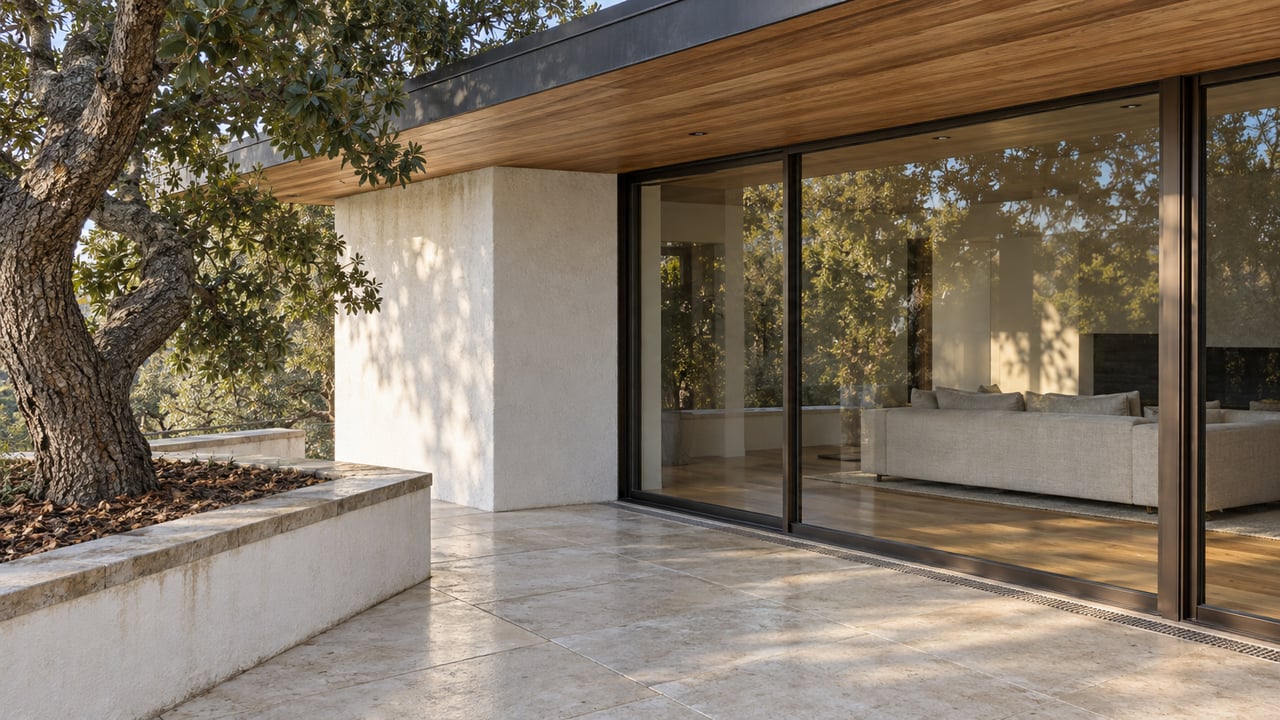
Mid-Century Modern in Brentwood dates from the 1940s through the 1960s and emphasizes simplicity, light, and indoor-outdoor flow. You often see flat or low-pitched roofs, broad overhangs, clerestory windows, and large panes of glass. Materials may include wood, stone, concrete block, or stucco with simple geometric massing.
What to watch
Original single-pane glazing is authentic but can impact energy performance. Older systems, including HVAC and electrical, may need updating. Flat roofs require careful attention to drainage and waterproofing, and older finishes can contain lead or asbestos.
Quality cues
Look for intact proportions, original built-ins, and exposed structural elements that are well detailed. High-quality restoration respects the original window patterns and material transitions. Site planning that frames views and creates seamless outdoor terraces is a strong positive.
Spanish and Mediterranean
Defining features
Spanish Colonial Revival and Mediterranean Revival homes, common from the 1910s through the 1940s and echoed in later luxury builds, convey classic Westside character. Hallmarks include stucco walls, red clay tile roofs, arched openings, and courtyards with decorative ironwork or carved wood doors. Interiors often feature plaster walls, beamed ceilings, and patterned tile.
What to watch
Tile roof condition and moisture at courtyards, arches, and recessed areas deserve careful review. Older unreinforced masonry and heavy decorative chimneys can be seismically vulnerable. Preserving original plaster and tile maintains value and authenticity.
Quality cues
Authentic materials and craftsmanship show in hand-finished plaster, true clay tile, and ironwork with depth and patina. Proportions matter, including window recesses and door details. A coherent courtyard sequence that balances privacy, shade, and garden space signals quality.
Traditional Classics
Defining features
Traditional homes in Brentwood often reference Colonial, Georgian, or Tudor elements and appear across later 20th-century builds and newer infill. Expect symmetry, formal entries, pitched roofs, and multi-pane windows with classical trim. Interiors may include paneled rooms, grand staircases, and refined millwork.
What to watch
Materials should match the promise of the style, such as real wood millwork and accurate window proportions. Modernizing circulation and service spaces can be sensitive, since changes may affect balance and scale. Details like cornices, casings, and railing profiles should feel consistent and well executed.
Quality cues
Strong examples deliver crisp fenestration patterns, substantial doors, and custom millwork. Stone or brick that is properly detailed and scaled reinforces authenticity. High-quality lighting and hardware complete the composition.
Contemporary New Builds
Defining features
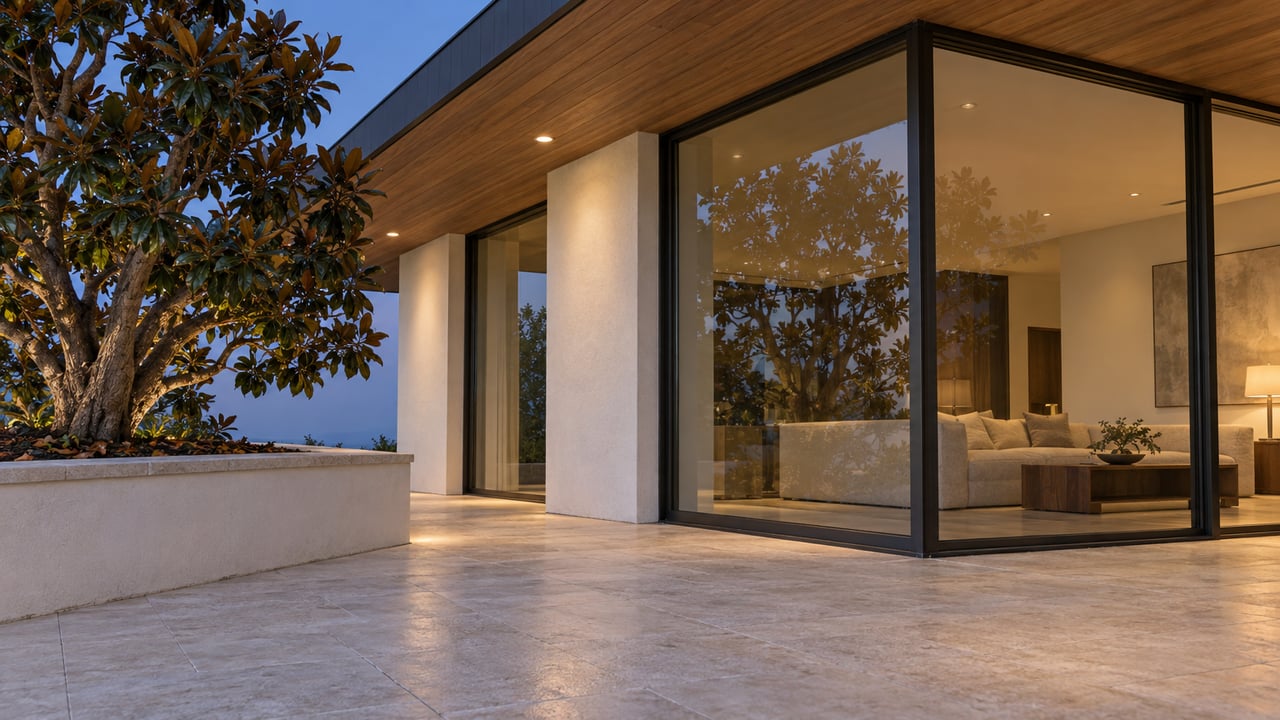
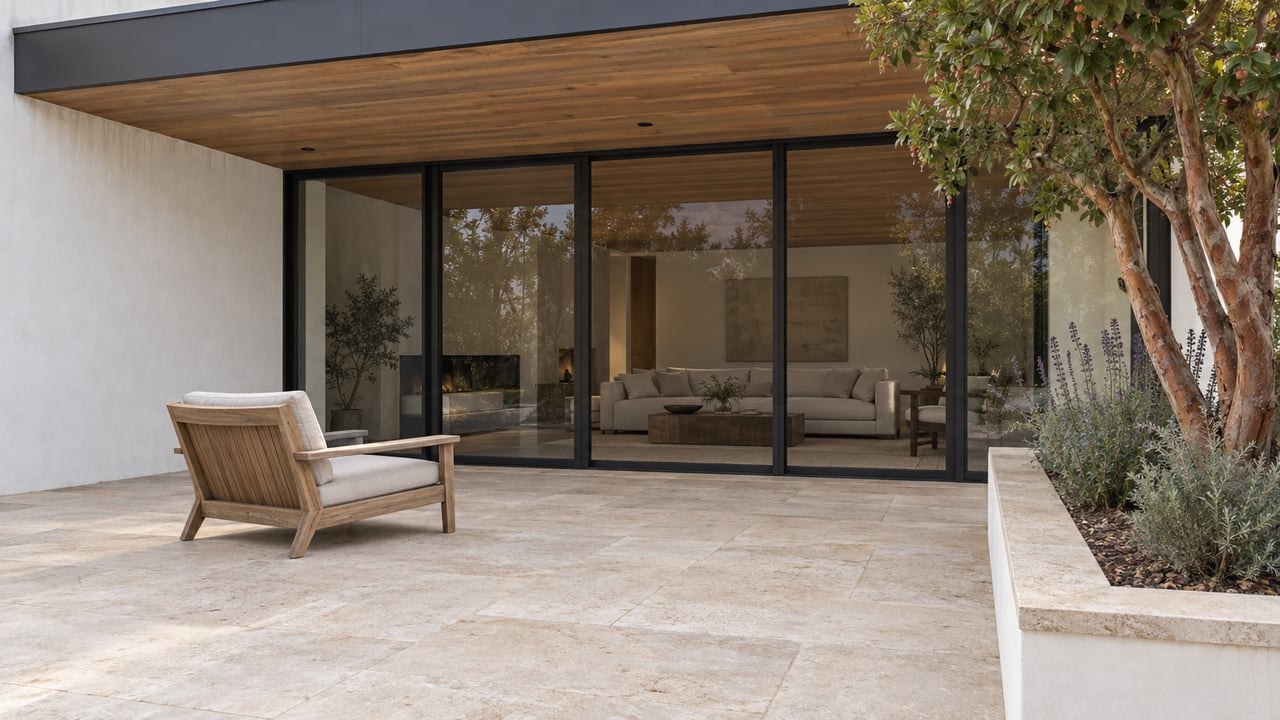
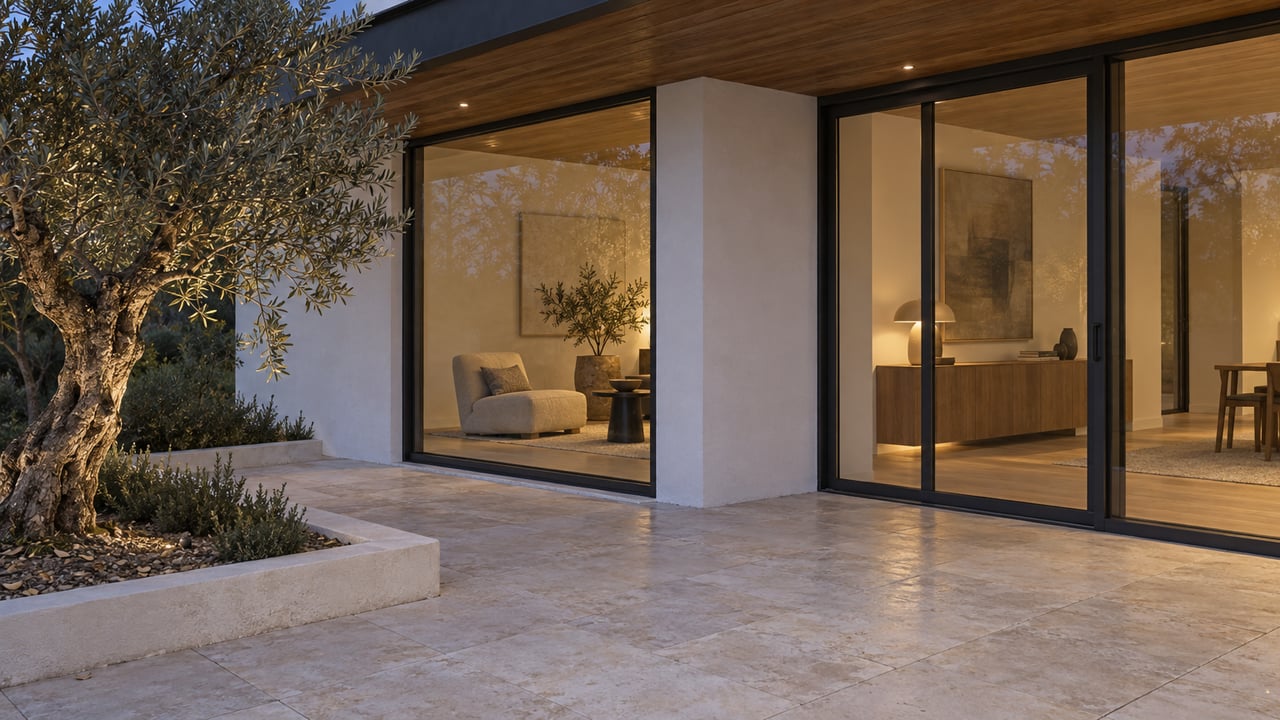
Contemporary homes favor bold massing, large expanses of glass, and mixed materials such as steel, engineered wood, and poured concrete. Many include double-height spaces, rooftop decks, and integrated smart-home systems. Floor materials often continue outdoors for a seamless feel.
What to watch
Quality at junctions is critical, including where glazing meets structure and at balcony edges. Large glass areas raise performance and shading questions. Engineered materials may require specialized maintenance and a thoughtful plan for long-term durability.
Quality cues
Clean cantilever detailing, aligned sightlines, and flush transitions between inside and out indicate elevated craftsmanship. Thoughtful sustainability features, such as advanced glazing and solar, add appeal when integrated into the design rather than applied as an afterthought.
Provenance and authenticity
What to verify
Provenance supports both value and marketing. Confirm the original architect and builder, construction date, and permit history through city records. Seek period photos, magazine features, or archival mentions, and document major renovations with permits and consultant reports. Note any historic designation or Mills Act contracts where applicable.
How it impacts value
Architect-attributed homes often command premiums with design-focused buyers. Clear documentation reduces uncertainty for lenders and appraisers and strengthens positioning. Superficial “style pastiche,” where new finishes fight original proportions, can deter buyers and drag pricing.
Quick signals
Positive signals include original plans, intact windows and built-ins, and visible craftsmanship at joints and transitions. Red flags include unpermitted structural work, lowered ceilings that break scale, inconsistent materials, water damage, or hillside movement.
Materials and systems
Workmanship markers
Quality reads in the windows and millwork. Original or high-quality replacements that match proportion and hardware impress buyers. Hand-finished plaster, custom tile, and precise built-ins reflect care. Strong site orientation that manages sun, shade, and airflow increases livability.
Systems to check
In Brentwood, buyers look for seismic upgrades and solid foundations, especially on hillside lots. Modern electrical capacity, updated plumbing, and appropriately sized HVAC matter across styles. Roof integrity and drainage deserve attention on tile roofs, flat roofs, and extensive glass assemblies.
Brentwood conditions
Expect hillside drainage and retaining wall questions, mature tree root impacts, aging flat roofs, and courtyard moisture risks. Planters and terraces need proper waterproofing and slope. Addressing these concerns improves comfort and protects value.
Value and marketing
For sellers
- Lead with provenance: architect, year, original plans, and press mentions. Include documentation in the marketing packet.
- Use photography that spotlights defining features, such as courtyards and tilework for Spanish or glass walls and indoor-outdoor flow for Mid-Century Modern.
- Stage to the style. Avoid covering original tile or built-ins. Let the architecture breathe.
- For architect-designed homes, consider targeted outreach to design-forward channels and broker networks that reach the right buyers.
For buyers
- Confirm permits and material authenticity, including renovation history and consultant reports.
- Budget for likely upgrades: glazing, HVAC, seismic work, and roofing are common capital items.
- Decide your tolerance for patina versus turnkey. Authentic period homes may have premium value with original features yet still require system upgrades.
Local rules
Preservation and permits
The City of Los Angeles Office of Historic Resources maintains surveys and handles historic designation. The Los Angeles Department of Building and Safety is your primary source for permit records. Designation can introduce review for alterations, and a Mills Act contract may offer property tax relief for qualifying historic properties.
Zoning and hillside
Brentwood includes both flats and hillside parcels governed by zoning districts such as R1 or RE, along with Hillside Ordinances. These rules shape rebuilds, additions, view corridors, landscaping, and geotechnical reporting. Early confirmation can prevent surprises during design and permitting.
Seismic guidance
Seismic retrofit is widely recommended and may be required when major permits are pulled. Lenders can request upgrades as a loan condition. A structural engineer experienced in hillside and retrofit work is a smart early hire.
Quick checklists
Pre-listing seller checklist
- Gather original plans, permits, renovation records, and maintenance receipts.
- Compile historic photos and any press or publication mentions.
- Order updated condition summaries for structure, roof, termite, and mechanicals.
- Create a concise provenance and features statement for buyers.
- Identify showpiece elements to highlight, such as original tile, beams, glazing, or courtyards.
Buyer due-diligence checklist
- Request complete permit history and flag any unpermitted work.
- Commission a general inspection, plus structural and seismic review for hillside properties.
- Add specialists for historic plaster, tile, or unique glazing systems as needed.
- Estimate costs for likely upgrades: HVAC, windows, roofing, and seismic retrofit.
- Confirm zoning and any conservation or historic overlays.
Renovation decision checklist
- Preserve character-defining features, including windows, built-ins, plaster, and tile where feasible.
- When replacing elements, match original proportions and materiality to maintain the design language.
- Prioritize system upgrades that are reversible or discreet, such as insulation and low-profile mechanical solutions.
- Respect indoor-outdoor connections and original circulation to keep livability intact.
Putting it together
Architectural clarity helps you buy and sell Brentwood homes with confidence. When you recognize style, verify provenance, and focus on quality material choices and systems, you set up a smooth sale or a successful purchase. Thoughtful marketing for sellers and disciplined due diligence for buyers will connect the right property with the right audience at the right price.
If you are preparing to sell or secure a significant Brentwood property, request a discreet, private conversation with Jonas Heller to discuss a tailored plan.
FAQs
What does “Mid-Century Modern” mean in Brentwood?
- It refers to 1940s–1960s homes defined by simple massing, large glass, low-pitched or flat roofs, and indoor-outdoor flow, often requiring glazing, roofing, and systems updates.
How does a named architect affect price in Brentwood?
- Clear architect attribution and documentation often support a premium with design-focused buyers, provided the condition and original details remain strong.
Are Los Angeles historic designations restrictive for Brentwood homes?
- Designation can add design review and limit demolition or major alteration, but it may offer tax incentives under programs like the Mills Act and can add prestige.
What upgrades matter most for Spanish or Mediterranean homes in Brentwood?
- Focus on roof tile condition, moisture management at courtyards and arches, seismic improvements for older masonry, and careful preservation of plaster and tile.
How important is indoor-outdoor design when selling a Brentwood home?
- Very important, since Westside climate and lifestyle favor patios, courtyards, and expansive glazing, which are strong selling points across styles.