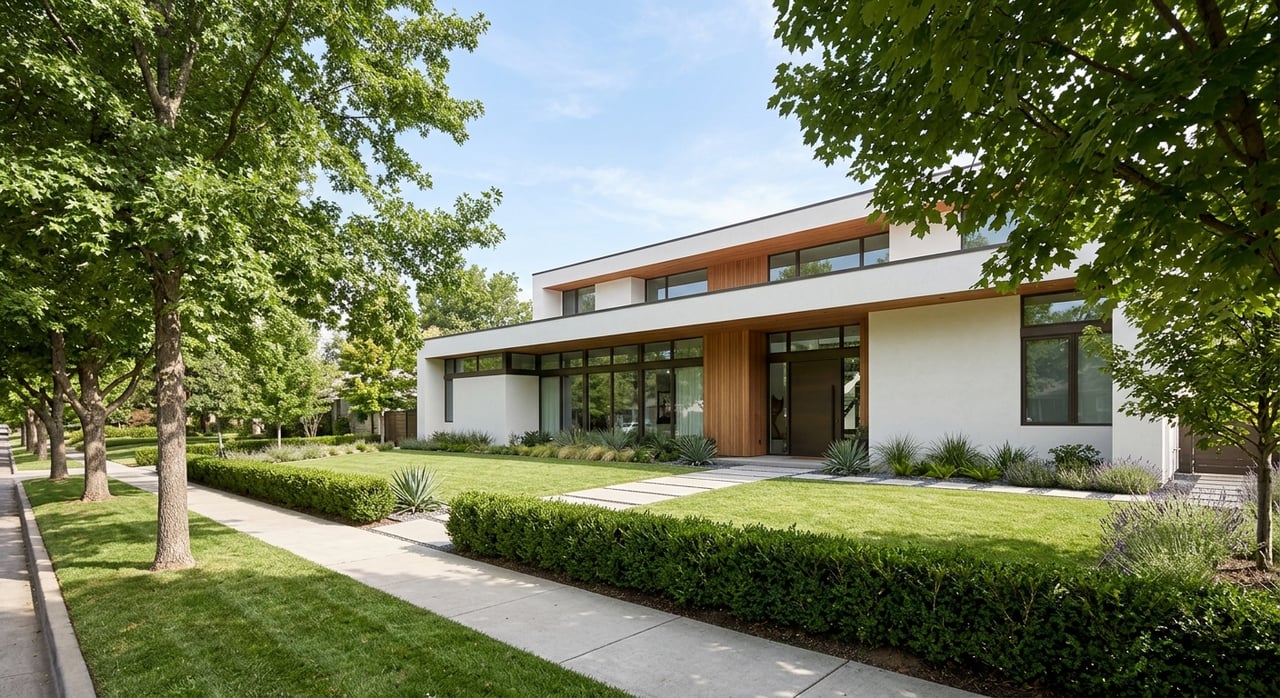
If you are choosing between the Beverly Hills Flats and the hillside estates north of Sunset, you are really choosing between two very different ways of living in the same city. One offers easier daily access, a more connected street experience, and a classic residential rhythm. The other offers larger lots, more privacy, and a setting shaped by topography, views, and a different set of practical considerations. Let’s take a closer look at how life differs in each.
How Beverly Hills Defines These Areas
The city formally refers to these areas as the Central Area and the Hillside Area, rather than the more common shorthand of the Flats and the hills. In practical terms, the Flats generally describe the flatter residential area between Sunset Boulevard and Santa Monica Boulevard, while the Hillside Area refers to the steeper residential terrain north of Sunset.
That distinction is more than geographic. Beverly Hills regulates these areas differently, and the day-to-day experience changes in meaningful ways depending on which setting you choose.
Daily Life Feels Different
For many buyers, the biggest difference is how the home connects to everyday life. In the flatter central neighborhoods, the street pattern, sidewalks, and closer spacing between homes create a more pedestrian-friendly environment. That can make day-to-day movement feel simpler and more intuitive.
In the hillside areas, the experience is more topographic and more secluded. Streets tend to be narrower and more winding, and many do not have sidewalks. As a result, daily life usually involves more driving and less of an easy walk-to-destination feel.
Why the Flats Feel More Connected
The city’s general plan describes the central portion of Beverly Hills as more pedestrian-friendly than the neighborhoods to the north. That is partly because sidewalks are more common there, and partly because the area is closer to Beverly Hills’ commercial core.
If you value convenience, shorter drives, and a residential setting that feels more integrated with the rest of the city, the Flats often align with that priority. The experience is less about retreat and more about access.
Why the Hills Feel More Removed
North of Sunset, the terrain changes the rhythm of daily life. The city describes this area as rugged, with steep-sided ridges and narrow ravines. That topography naturally creates a more private and more removed residential environment.
For some buyers, that separation is the point. A longer drive up a winding street can feel like a transition into a quieter and more protected setting.
Lot Size, Privacy, and Street Presence
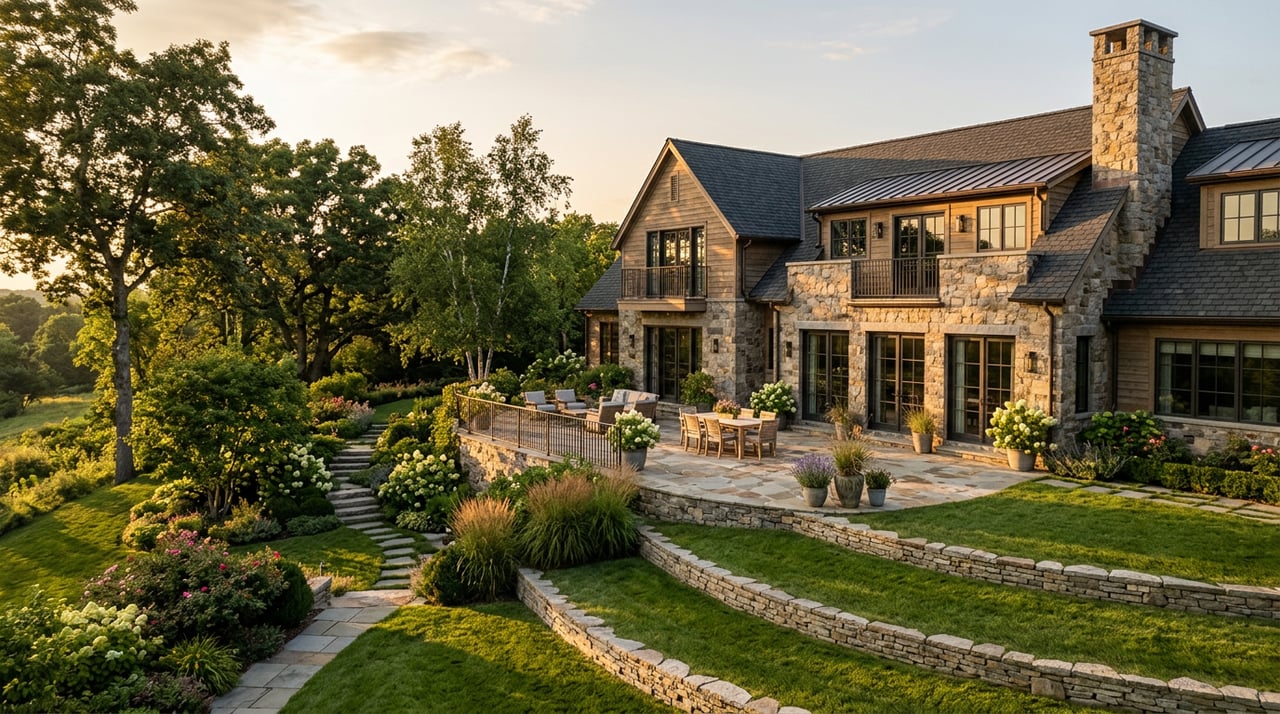
The physical character of each area shapes how homes sit on their lots and how much of the property is visible from the street. In the Hillside Area, Beverly Hills planning documents describe large estates on lots of about one acre, often arranged to take advantage of views while maximizing privacy.
In the central residential areas, lots are generally smaller and homes are more closely spaced. The city describes typical central-area lots at about 13,000 square feet, with smaller single-family lots south of Santa Monica Boulevard averaging about 7,500 square feet.
Hillside Estates Prioritize Seclusion
In the hills, privacy is often built into the site itself. Larger lots, heavier landscaping, gates, and homes positioned around terrain all help reduce visibility from the street.
That means the arrival experience can feel more discreet. You may see less of the home from the curb, and the property often reveals itself more gradually.
Flats Homes Have a Stronger Streetscape Role
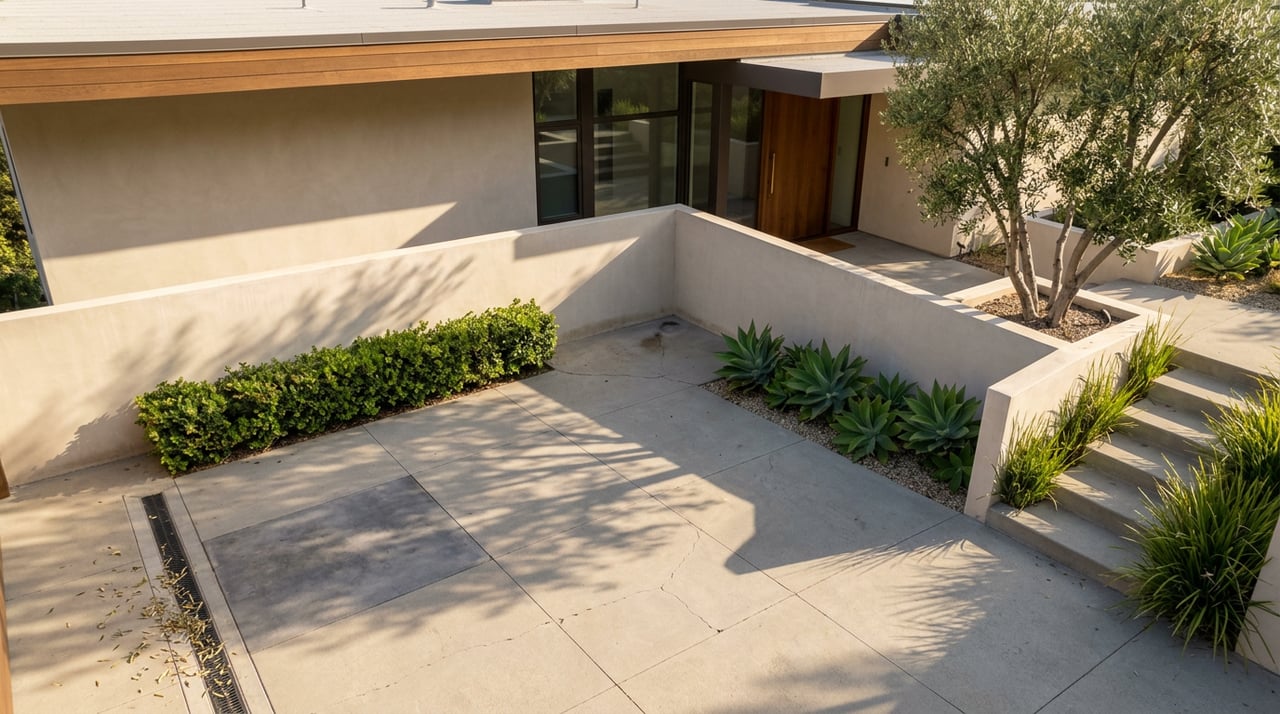
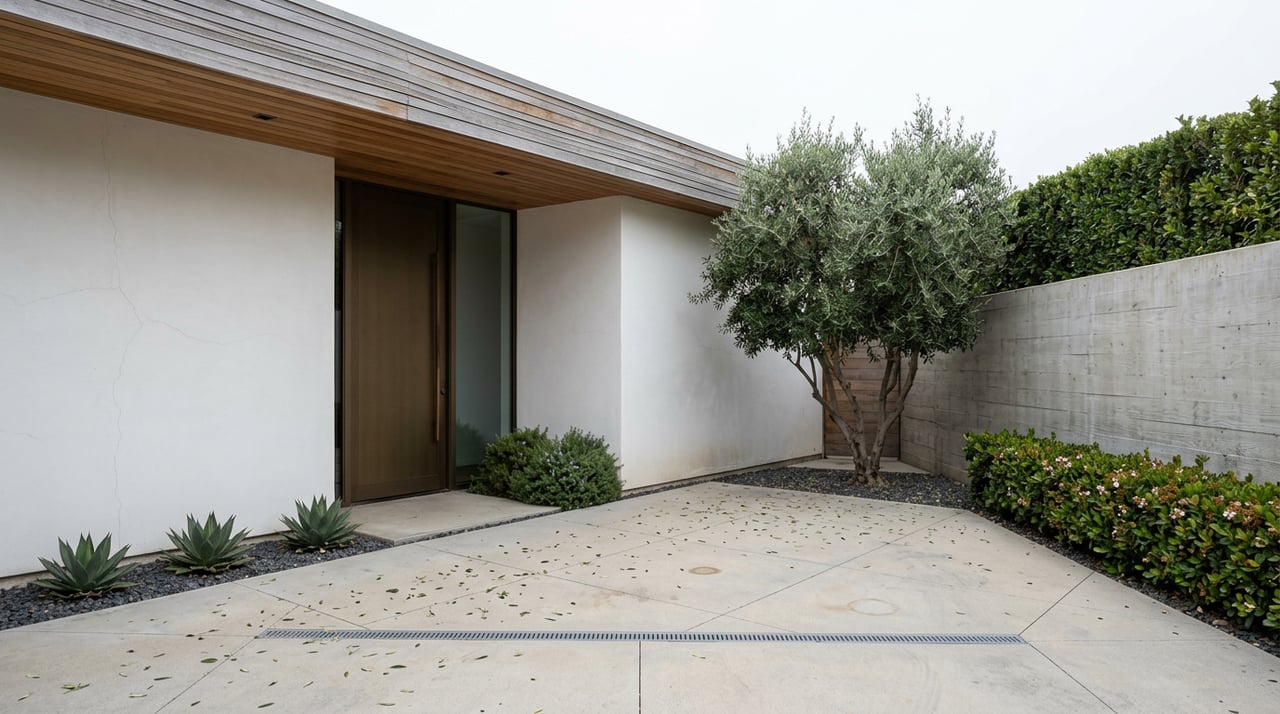
In the flatter central neighborhoods, homes are still landscaped for privacy, but they are more often visible from the street. Because lots are closer together and the setting is more street-facing, exterior design plays a larger role in the overall neighborhood character.
This gives the Flats a different kind of appeal. Instead of seclusion being the main feature, there is often more emphasis on frontage, gardens, and how a home contributes to the block.
Views and Setting
If your ideal property includes a stronger relationship to the landscape, the hills usually offer a different visual experience. Beverly Hills identifies local viewsheds tied to hillsides and ridgelines, and view preservation is an explicit standard in hillside development.
That creates a setting where outlook often matters as much as the home itself. The topography shapes architecture, siting, and how indoor and outdoor spaces connect.
Hillside Homes Are More View-Oriented
Because the terrain is steeper, hillside properties are more likely to be positioned around outlook, elevation, and ridgeline conditions. This does not guarantee a specific view from every parcel, but the area as a whole is far more oriented around topographic advantage.
For buyers seeking drama, openness, and a stronger sense of retreat above the city, that setting can be compelling. It often supports a more sculptural relationship between architecture and site.
The Flats Emphasize Garden Character
In the flatter central neighborhoods, the experience is less about elevation and more about streetscape and garden quality. Beverly Hills places importance on the garden character of these neighborhoods, which affects how homes are reviewed and how exterior changes are considered.
That gives the Flats a refined residential feel of their own. The appeal often comes from mature landscaping, orderly streets, and the visual continuity of the neighborhood fabric.
Fire Conditions and Emergency Access
One of the most important practical differences is wildfire operational sensitivity. According to the city, the area north of Sunset Boulevard, along with a few blocks south, falls within a Very High Fire Hazard Severity Zone.
That does not make every hillside property unsuitable. It does mean the area comes with additional operational realities that buyers should understand clearly.
Hillside Ownership Comes With Extra Considerations
In the hillside areas, the fire department requires brush clearance. The city also imposes red-flag no-parking restrictions on designated streets that serve as evacuation routes or are too narrow for both emergency apparatus and resident traffic.
These are not abstract planning issues. They affect how a property functions during extreme fire weather and can influence everyday routines, guest access, and preparedness.
The Flats Have Different Risk Conditions
The city’s urban forest plan contrasts the hills with the flats by describing the flats as relatively level land south of Sunset Boulevard with predominantly ignition-resistant landscapes and minimal to no wildland fire exposure. That does not mean zero risk, but it does point to a different operating environment.
For buyers who want fewer hillside-specific emergency considerations, the Flats may feel simpler from a practical standpoint. The tradeoff, of course, is that you are usually giving up some privacy and topographic drama.
Building Rules and Renovation Planning
If you are considering a remodel, expansion, or ground-up project, the differences between these two settings become even more important. Beverly Hills applies distinct rules depending on whether a property is in the Central Area or the Hillside Area.
Before making assumptions about a parcel, the city directs owners and buyers to confirm classification on its zoning map. That step matters because the approval path can change significantly by location.
Central Area Review Focuses on Streetscape
In the Central Area, street-visible single-family work is subject to design review. New homes and visible remodels may require staff-level or commission-level review, with the stated goal of preserving neighborhood character, scale, massing, and garden quality.
For a buyer, that means exterior changes are often evaluated in the context of the surrounding street. If you care about façade design, curb presence, and visible additions, this process is an important part of ownership planning.
Hillside Rules Focus on Terrain and Landform
In the Hillside Area, there is no design review process in the same form. However, the code still regulates maximum floor area, height, setbacks, landform alteration, and view preservation.
The city also notes special hillside regulations tied to geological and foundation investigations, yard drainage, and gutter and downspout requirements. In other words, hillside complexity is less about visible design review and more about slope, drainage, stability, and how the home interacts with the site.
Architecture Often Responds to the Setting
Beverly Hills includes a wide range of residential architectural styles, including American Colonial, Rural European Revival, Spanish Colonial, Contemporary, and Period Revival. The city’s style guidance emphasizes architecturally pure styles, quality materials, and the preservation of the city’s garden character.
That means neither the Flats nor the hills are defined by a single look. Still, the setting often influences how architecture is expressed.
The Hills Often Support More Sculptural Design
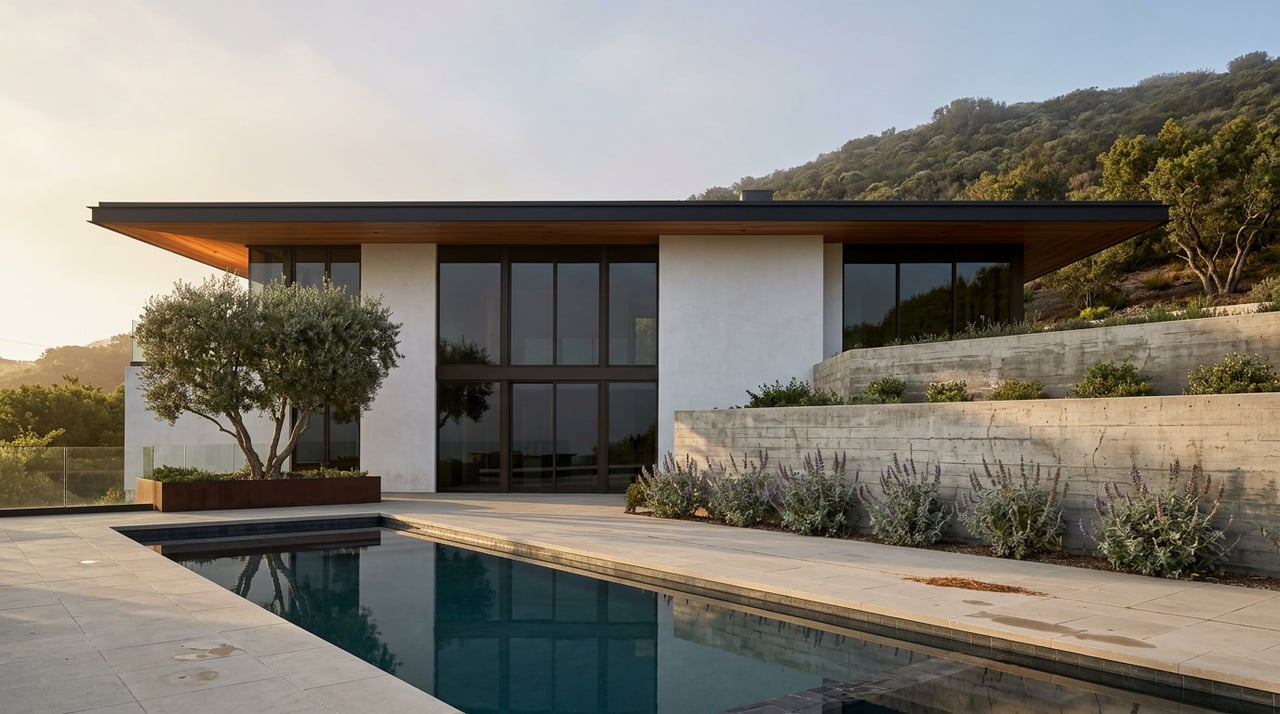
The city’s contemporary examples include flat roofs, horizontal forms, balconies, overhangs, glass, steel, and minimal ornament. Those qualities often align naturally with view-oriented hillside sites, where homes can open toward outlook and terraces.
This is one reason hillside estates often feel more shaped by landform and horizon. The architecture may be designed as much around the site as around the street.
The Flats Often Reward Strong Front-Facing Composition
In the central neighborhoods, where homes are more visible from the street, front elevation and garden presentation carry more weight. Traditional compositions, carefully framed entries, and strong façade proportions often play a larger role in how the property is experienced.
That does not limit style. It simply means the home often participates more directly in the visual life of the block.
Which Beverly Hills Setting Fits You Best?
If you want easier daily movement, more walkability, and a home that feels tied into the broader rhythm of Beverly Hills, the Flats may be the better fit. They tend to offer a more connected residential experience, with simpler access and a stronger street presence.
If you value privacy, larger lots, and a setting defined by elevation and outlook, the hillside estates may be more compelling. They often provide a quieter and more secluded environment, but they also come with greater topographic and wildfire-related considerations.
Neither choice is inherently better. The right fit depends on whether you prioritize convenience and connectivity or seclusion and terrain-driven character.
In Beverly Hills, that distinction matters at every level, from how you arrive home to how you renovate, entertain, and move through the neighborhood over time. If you are weighing a purchase, sale, or discreet off-market search in either setting, Jonas Heller offers private, highly tailored guidance shaped by the realities of Beverly Hills’ most nuanced residential micro-markets.
FAQs
What is the difference between Beverly Hills Flats and hillside estates?
- The Flats generally refer to the flatter central residential area between Sunset Boulevard and Santa Monica Boulevard, while hillside estates usually refer to the steeper residential area north of Sunset with larger lots, more privacy, and more topographic variation.
Which Beverly Hills area is more walkable, the Flats or the hills?
- The flatter central area is generally more walkable because it has a more pedestrian-friendly layout, more sidewalks, and closer access to Beverly Hills’ commercial core.
Which Beverly Hills area offers more privacy, the Flats or hillside estates?
- The hillside estate area generally offers more privacy because lots are larger, homes are often more gated, and landscaping and terrain reduce visibility from the street.
Are Beverly Hills hillside homes in a fire hazard zone?
- Areas north of Sunset Boulevard, plus a few blocks south, are in a Very High Fire Hazard Severity Zone according to the city, and that comes with brush clearance and red-flag parking restrictions on certain streets.
Is it easier to remodel a home in the Beverly Hills Flats or hills?
- The process is different rather than universally easier. In the Central Area, visible exterior work is subject to design review, while in the Hillside Area, owners typically deal more with rules tied to slope, drainage, landform, height, and view preservation.