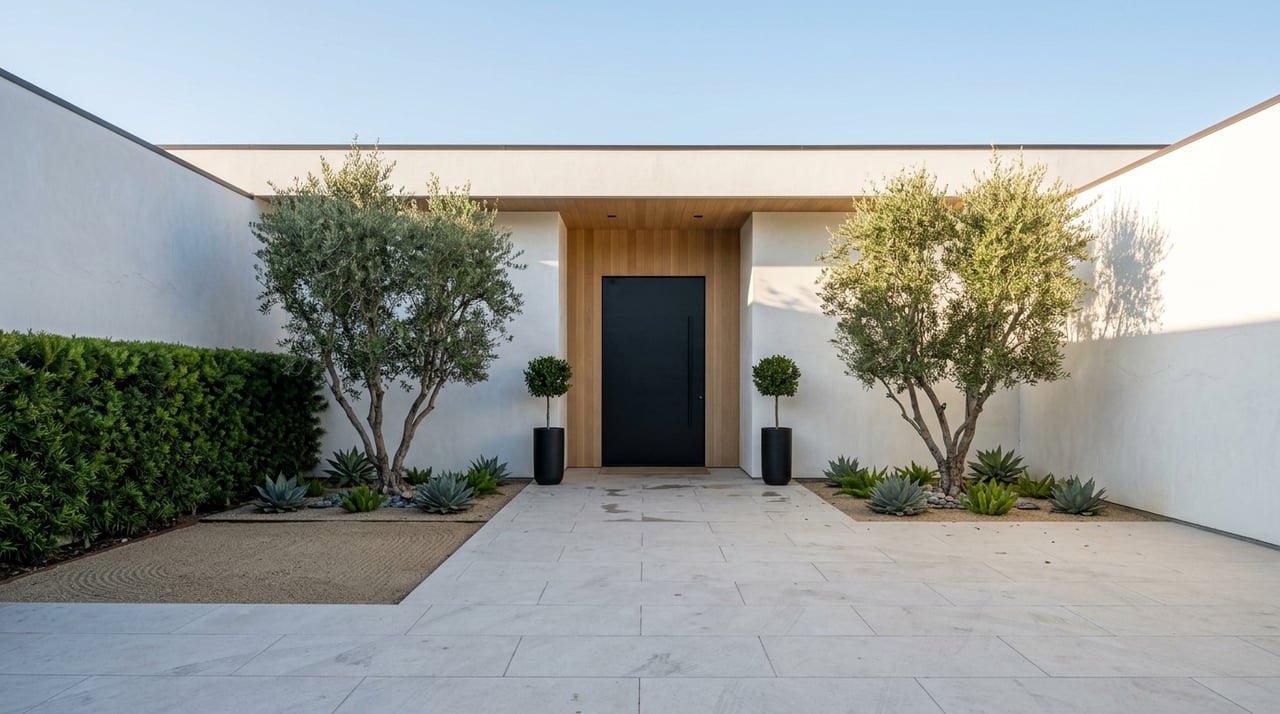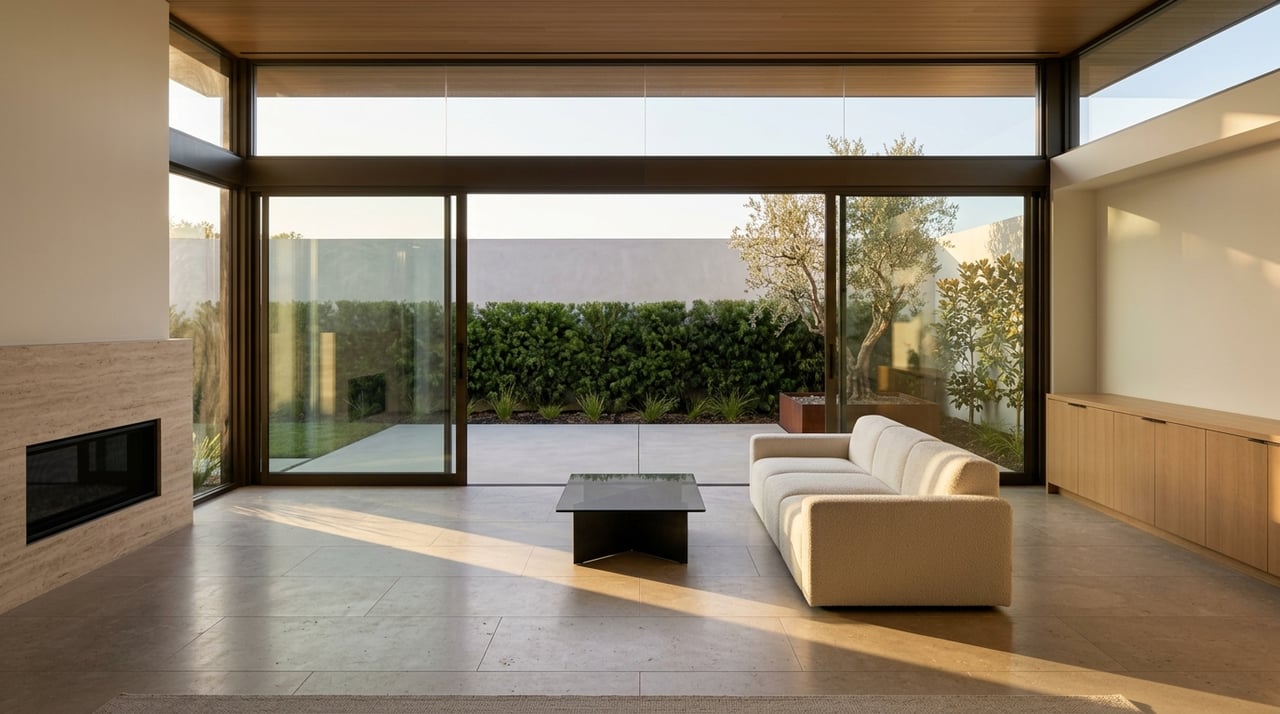
If you are pursuing a Beverly Hills trophy home, you are not just competing on price. You are competing on clarity, timing, and confidence. In a market where each property can sit in its own micro-world of value, a winning offer is the one that feels well prepared from the first page. Let’s look at how to build an offer that protects your interests while giving the seller real confidence to move forward.
Why Beverly Hills Requires Precision
Beverly Hills is not a one-size-fits-all market. As of May 31, 2026, public trackers showed 126 homes for sale and 33 new listings, while Redfin reported an average of about 51 days on market over the three months ending May 2026. That gives you useful context, but it does not tell the full story for a trophy property.
Values can shift sharply by micro-neighborhood. Zillow’s figures place typical home value around $10.3 million in The Flats and around $11.2 million in Beverly Hills Gateway. For a serious offer, that means comparable sales must match the home’s location, scale, view profile, lot characteristics, and major features rather than relying on broad citywide averages.
Start With the Right Price Story
A strong price is important, but in this segment, your pricing logic matters too. Sellers of estate-scale homes often know their property is distinctive, and they expect buyers to understand what actually drives value. A loosely supported number can weaken your position, even if it looks aggressive on paper.
Your offer should be grounded in highly specific comparables. In Beverly Hills, that means looking closely at the immediate area, whether the home sits in The Flats, Beverly Hills Gateway, Trousdale Estates, or a hillside pocket with its own planning and design considerations. The better your comp set, the easier it is to move decisively without overreaching.
Structure Matters Beyond Price
In California, the Department of Real Estate advises buyers to include the contingencies and special conditions they want in the contract, including loan qualification, seller repairs, pest control inspections, home inspections, and home warranty programs. The same guidance also stresses reading the contract carefully, avoiding blank spaces, and avoiding cash deposits so there is a clear record of funds.
For a Beverly Hills trophy purchase, the most competitive offer is often the one that reduces uncertainty for the seller while keeping your protections deliberate and well defined. That does not mean waiving protections casually. It means avoiding vague, messy terms that create doubt about whether you can close.
Terms That Can Strengthen Your Offer
Several non-price terms can make a material difference:
- A close date that matches the seller’s preferred timing
- A clean, complete offer package with no missing information
- Clearly written contingencies with realistic deadlines
- Proof that your financing team or funds are ready
- A defined escrow and title plan
In high-value transactions, smooth execution often carries real weight. Sellers want to know your offer will not unravel halfway through escrow.
Align Financing Before You Write
If your purchase involves financing, your loan strategy should be in place before the offer is finalized. The Consumer Financial Protection Bureau recommends comparing at least three loan offers, and California DRE identifies the Loan Estimate and Closing Disclosure as major financing documents buyers should review.
That matters even more at the trophy level, where underwriting can be more complex. Your offer timeline should reflect your lender’s actual documentation and approval schedule, not a generic assumption. A financing contingency is far more credible when your lending team is already aligned and realistic about the path to close.
Build Due Diligence Around the Property Type
California DRE recommends inspection of electrical, plumbing, and structural integrity and suggests using a qualified inspector. It also explains that the seller’s disclosure covers physical condition, hazards, and defects, while the agent must disclose readily observable defects.
For a Beverly Hills estate, that baseline usually needs to be expanded. Depending on the property, your diligence may need to include roof condition, HVAC systems, drainage, retaining walls, pool or spa systems, seismic retrofit status, and permit history. Large homes and hillside sites often carry more moving parts, and your offer should leave room to evaluate the systems that matter most.
Focus on Remodel and Permit Questions Early
This point is especially important in Beverly Hills because single-family rules vary by area. The city divides properties into the Central Area, Hillside Area, and Trousdale Estates, and each has different regulations. In the Central Area, visible exterior changes can trigger design review, while the Hillside Area follows different standards and does not use a design review process. Trousdale Estates has its own standards.
If you expect to remodel, expand, or materially update the property, zoning and permit review should begin during the offer stage. Waiting until after closing can create avoidable surprises. On a trophy asset, future use and improvement potential are often part of value.
Pay Close Attention to Required Disclosures
Disclosures are not just paperwork. They are a key part of risk management. California’s 2025 DRE law refresher states that the Natural Hazard Disclosure Statement must identify whether a property is in a high fire hazard severity zone and whether it is in a state responsibility area or local responsibility area.
That is especially relevant for hillside homes in and around Beverly Hills. The same DRE update also requires disclosure of certain work done on the property if the seller obtained title within the prior 18 months. If you are considering a recently renovated home, that history deserves careful review.
Older Estates Need Added Attention
If the property was built before 1978, federal law requires disclosure of known lead-based paint hazards before contract signing, along with available records and reports and a 10-day buyer inspection period for a lead inspection or risk assessment. This can be particularly important for older Beverly Hills estates that retain original materials or substantial pre-1978 elements.
If the trophy property is part of a common-interest development, California DRE says the public report should disclose utilities, water, roads, soil, geologic conditions, title, zoning, use restrictions, hazards, and financial arrangements for completion. If an HOA or gated structure is involved, this report becomes a critical part of your review.
Insurance Should Be Part of Offer Strategy
Insurance is too important to leave for the last minute. The California Department of Insurance says buyers should shop and compare homeowners insurance like any other major purchase. In some cases, especially for high-value or higher-risk properties, coverage may require more planning than buyers expect.
The same state guidance explains that if traditional coverage is difficult to obtain, the California FAIR Plan is the insurer of last resort. It only covers fire or lightning, internal explosion, and smoke, with optional extensions and separate Difference in Conditions coverage often used to fill gaps. The state also notes that standard homeowners policies do not cover earthquake damage, though fire damage caused by or following an earthquake is covered.
For homes valued above $1 million, or for certain pre-1980 homes not verified as seismically retrofitted, the California Earthquake Authority deductible floor is 15%. That makes insurance review an important practical step before your offer becomes nonrefundable.
Understand Taxes and Closing Costs Early
Offer strategy should include a realistic view of transfer taxes and future property taxes. Los Angeles County’s documentary transfer tax is $0.55 per $500 of value, collected when the deed is recorded. The county’s special-rate list names only five cities, and Beverly Hills is not listed, which suggests Beverly Hills transactions generally follow the county standard rate, though escrow and title should confirm that for the specific parcel.
Property tax reassessment is another major consideration. Los Angeles County states that reassessment occurs when there is a change in ownership or new construction, and the State Board of Equalization explains that most home purchases result in a full reassessment to current market value. If you are buying through a trust or entity, counsel should review any required ownership or change-in-control filings before closing.
Protect the Transfer of Funds
In a high-value escrow, transaction hygiene matters. The FTC warns that wire transfers are difficult to reverse and that anyone demanding payment by wire should be treated as a red flag.
A simple rule can help reduce risk: confirm wiring instructions through a known, independently verified phone number rather than relying on email alone. On a trophy-home purchase, that one step can protect a significant amount of capital.
What a Winning Offer Really Signals
In Beverly Hills, a winning offer usually feels organized, precise, and low-friction. It reflects thoughtful pricing, realistic timelines, complete documentation, and diligence tailored to the specific property. It also gives the seller confidence that you understand both the opportunity and the responsibility that come with an estate-scale purchase.
This is where experienced, discreet guidance matters most. On a trophy home, every term tells the seller something about your readiness. The goal is not simply to submit an offer. The goal is to present one that is credible, composed, and built to close.
If you are preparing to pursue a Beverly Hills trophy property and want a private, highly tailored offer strategy, Jonas Heller can help you approach the process with discretion, precision, and full-service transaction management.
FAQs
What makes a Beverly Hills trophy-home offer competitive?
- A competitive Beverly Hills trophy-home offer combines strong pricing with clean terms, realistic timing, clear contingencies, and evidence that your funds or financing are fully prepared.
Why do Beverly Hills micro-neighborhood comps matter so much?
- Beverly Hills values can vary significantly by area, so a trophy-home offer should rely on comparable properties from the most relevant micro-neighborhood and with similar features.
What inspections matter most for a Beverly Hills estate home?
- In addition to standard electrical, plumbing, and structural inspections, many Beverly Hills estate buyers also review roof condition, HVAC, drainage, retaining walls, pool or spa systems, seismic status, and permit history.
How do Beverly Hills remodeling rules affect an offer?
- Beverly Hills has different single-family regulations for the Central Area, Hillside Area, and Trousdale Estates, so if you plan to remodel or expand, zoning and permit review should start before closing.
Should insurance be reviewed before buying a Beverly Hills trophy home?
- Yes, insurance should be reviewed early because high-value or hillside properties may require more planning, and standard homeowners policies do not cover earthquake damage.
What tax issue should buyers expect after purchasing a Beverly Hills home?
- Most Beverly Hills home purchases trigger reassessment to current market value, so your future property tax basis may change significantly after closing.