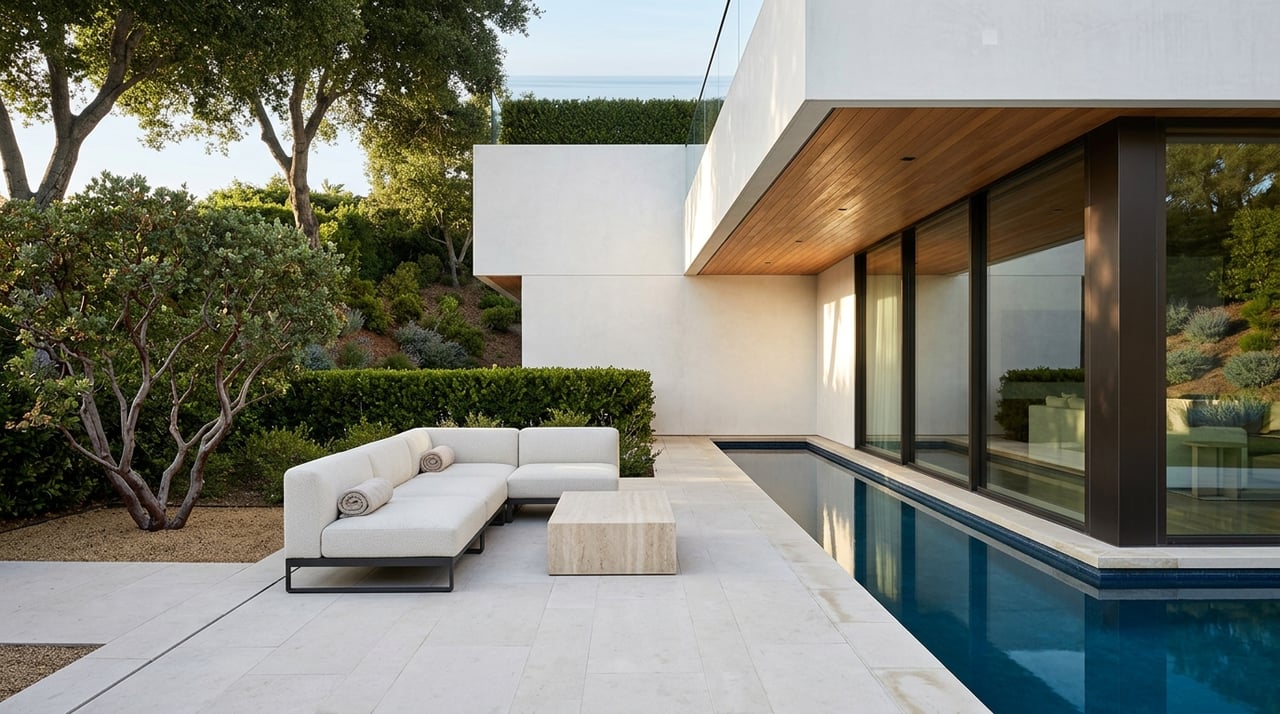
Choosing between a canyon estate and a beachfront home in Malibu is not just about architecture or price point. It is really a choice between two daily experiences shaped by the same dramatic setting of mountains meeting the Pacific. If you are weighing privacy, access, scenery, and the pace of life you want, this comparison can help you see which version of Malibu fits you best. Let’s take a closer look.
Malibu’s Setting Shapes the Decision
Malibu stretches along 21 miles of coastline, with the Santa Monica Mountains rising above the shore. That physical setting creates a clear split between homes tucked into canyon landscapes and properties positioned directly along the water.
In practical terms, these are not simply two luxury home styles. They offer different relationships to views, access, surroundings, and the rhythm of everyday life. In Malibu, geography drives lifestyle as much as the home itself.
Canyon Estates Offer a More Private Retreat
For many buyers, the main appeal of canyon living is privacy. Malibu’s mountain terrain includes steep slopes, canyon walls, and winding corridors that naturally create a more enclosed and tucked-away feel.
That setting often makes a canyon estate feel quieter and more inward-looking. Instead of facing the activity of the shoreline, you are surrounded by terrain, vegetation, and a stronger sense of separation from public movement.
Privacy can also shape how you entertain. A canyon property may feel more controlled and self-contained, which can appeal if you value a discreet setting for hosting family or guests.
Beachfront Living Centers on the Coast
Beachfront living offers a very different kind of luxury. Here, the shoreline becomes the backdrop to daily life, with immediate access to surf, sand, sunsets, and the visual openness of the Pacific.
That openness often comes with more public activity nearby. Malibu’s coastline includes multiple public beaches and public access ways, and county beach parking areas are actively monitored. As a result, beachfront homes can feel more connected to the social energy of the coast.
For some buyers, that is exactly the point. If your ideal Malibu day revolves around the water, ocean views, and the movement of beach life, a beachfront property places you at the center of it.
Daily Life in the Canyons
A canyon home often supports a mountain-oriented routine. The Santa Monica Mountains include more than 500 miles of public trails, and nearby recreation can become part of your regular schedule rather than a weekend plan.
Popular trail destinations in the area include Solstice Canyon Trail and the Backbone Trail. Malibu Creek State Park also offers more than 4,000 acres and 15 miles of trails, adding to the outdoor options that define canyon living.
If you value mornings on the trail, more enclosed natural scenery, and a home environment that feels removed from the shoreline’s seasonal crowds, the canyons may align more closely with your lifestyle.
Daily Life on the Beach
A beachfront home shifts your routine toward the water. Malibu’s public beaches include Surfrider, Zuma, Point Dume, and Malibu Lagoon State Beach, each contributing to the coastal identity that draws so many people to the area.
The shoreline lifestyle is easy to picture because it is rooted in activities the area is known for. Surfing at Surfrider, beach volleyball at Zuma, sunset views at El Matador, and whale watching at Point Dume all reflect the coastal rhythm that beachfront owners live beside.
If your idea of home includes stepping outside to the sound of the ocean and building your day around the beach, this side of Malibu delivers a very different experience from the canyons.
Privacy Versus Exposure
One of the clearest differences between these two settings is how private the home feels in context. Canyon estates tend to benefit from terrain that creates separation, while beachfront homes are more exposed to public access patterns along the coast.
That does not make one better than the other. It simply means the setting changes how you experience your property, your views, and your sense of arrival.
If privacy is a top priority, canyon estates often offer a stronger feeling of retreat. If openness and direct connection to the shoreline matter more, beachfront living may feel more rewarding.
Seasonal Patterns Matter in Malibu
Malibu’s climate is often described as mild, but the seasons still shape how each setting feels. According to official park guidance, mountain visitation is highest in spring, while beach visitation peaks in summer.
That matters when you think about the day-to-day atmosphere around the home. Canyon living may feel especially active during the spring trail season, while beachfront areas often experience more visitor flow and beach-related activity in warmer months.
On the coast, public beach services also increase during peak summer periods. Malibu’s public beaches are guarded by Los Angeles County Lifeguards, with summer support from the Sheriff’s Beach Team, which reflects how busy the shoreline can become.
Parking and Access Affect Beachfront Living
One practical difference that buyers sometimes underestimate is parking and access around the coast. County beach parking rules can vary by time of day, day of week, season, and holiday.
That means beachfront daily life can be more influenced by visitor patterns, parking logistics, and enforcement activity. For some owners, this is simply part of the tradeoff for living directly on the sand. For others, it becomes an important quality-of-life consideration.
Canyon living is generally less tied to beach parking flow. The practical concerns there tend to center more on terrain, access roads, and the mountain setting itself.
Wildfire Planning Is a Malibu-Wide Reality
No matter which setting you prefer, wildfire preparedness is part of owning property in Malibu. The City of Malibu states that all Malibu is designated a Very High Fire Hazard Severity Zone.
The city also notes that fire season is especially important from October through December, when Malibu typically experiences 7 to 8 Red Flag Fire events. For homeowners, that makes evacuation planning, brush clearance, and home hardening part of normal long-term ownership planning.
This is not just a canyon issue. It affects beachfront and canyon properties alike, and it is one of the most important practical realities for buyers evaluating Malibu real estate.
AB 38 Requirements Are Part of the Process
Malibu property sales are subject to AB 38 defensible-space documentation requirements. For buyers and sellers, that means fire-safety preparation is not only a matter of stewardship but also part of the transaction landscape.
In a market where many purchases involve estate-scale properties and highly specific buyer priorities, details like this matter. Understanding how a property fits Malibu’s broader planning and safety context is an essential part of making a well-informed decision.
Which Malibu Lifestyle Fits You Best?
If you are drawn to privacy, trail access, and a more secluded daily environment, a canyon estate may offer the stronger fit. These homes often feel shaped by the mountains first, with the landscape creating a quieter and more sheltered sense of place.
If you are drawn to immediate coastal access, panoramic water views, and the energy of the shoreline, beachfront living may be the better match. These homes place you close to the surf, the horizon, and the unmistakable atmosphere of Malibu’s coast.
Both choices are authentically Malibu. The difference is whether you want your version of Malibu to feel more mountain-oriented and private, or more oceanfront and socially connected.
For a private discussion about Malibu estate opportunities, lifestyle fit, and discreet acquisition strategy, connect with Jonas Heller.
FAQs
What is the main lifestyle difference between canyon estates and beachfront homes in Malibu?
- Canyon estates generally emphasize privacy, trail access, and a more secluded mountain-oriented routine, while beachfront homes emphasize direct coastal access, ocean views, and proximity to beach activity.
How does Malibu geography affect home choice in Malibu?
- Malibu’s setting between the Santa Monica Mountains and the Pacific creates two distinct living environments, with canyon homes shaped by steep terrain and beachfront homes shaped by the shoreline.
Are Malibu canyon homes usually more private than Malibu beachfront homes?
- In general, canyon homes tend to feel more private because the mountain terrain creates separation, while beachfront homes are more exposed to public beach access and visitor flow.
What outdoor lifestyle comes with canyon living in Malibu?
- Canyon living is closely tied to the Santa Monica Mountains trail network, which includes more than 500 miles of public trails, along with destinations such as Solstice Canyon Trail and Malibu Creek State Park.
What practical issues should buyers consider with beachfront living in Malibu?
- Buyers should consider seasonal visitor traffic, beach parking rules that vary by season and time, and the more public-facing nature of homes along Malibu’s coastline.
Do wildfire concerns affect both canyon and beachfront homes in Malibu?
- Yes. The City of Malibu states that all Malibu is in a Very High Fire Hazard Severity Zone, so wildfire preparedness is a citywide ownership consideration for both property settings.
What is AB 38 in Malibu property sales?
- AB 38 defensible-space documentation requirements apply to Malibu property sales, making fire-safety documentation part of the transaction process.